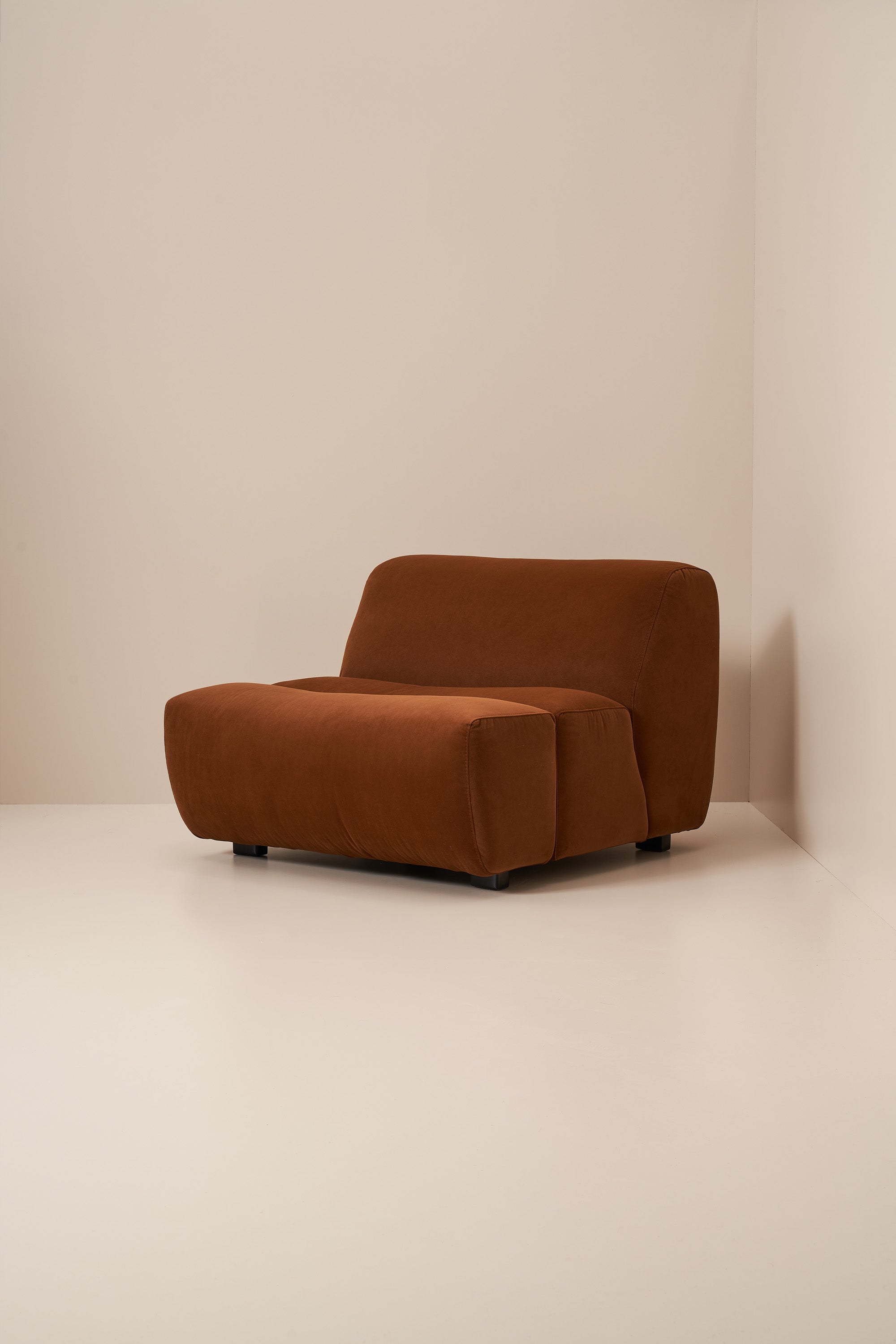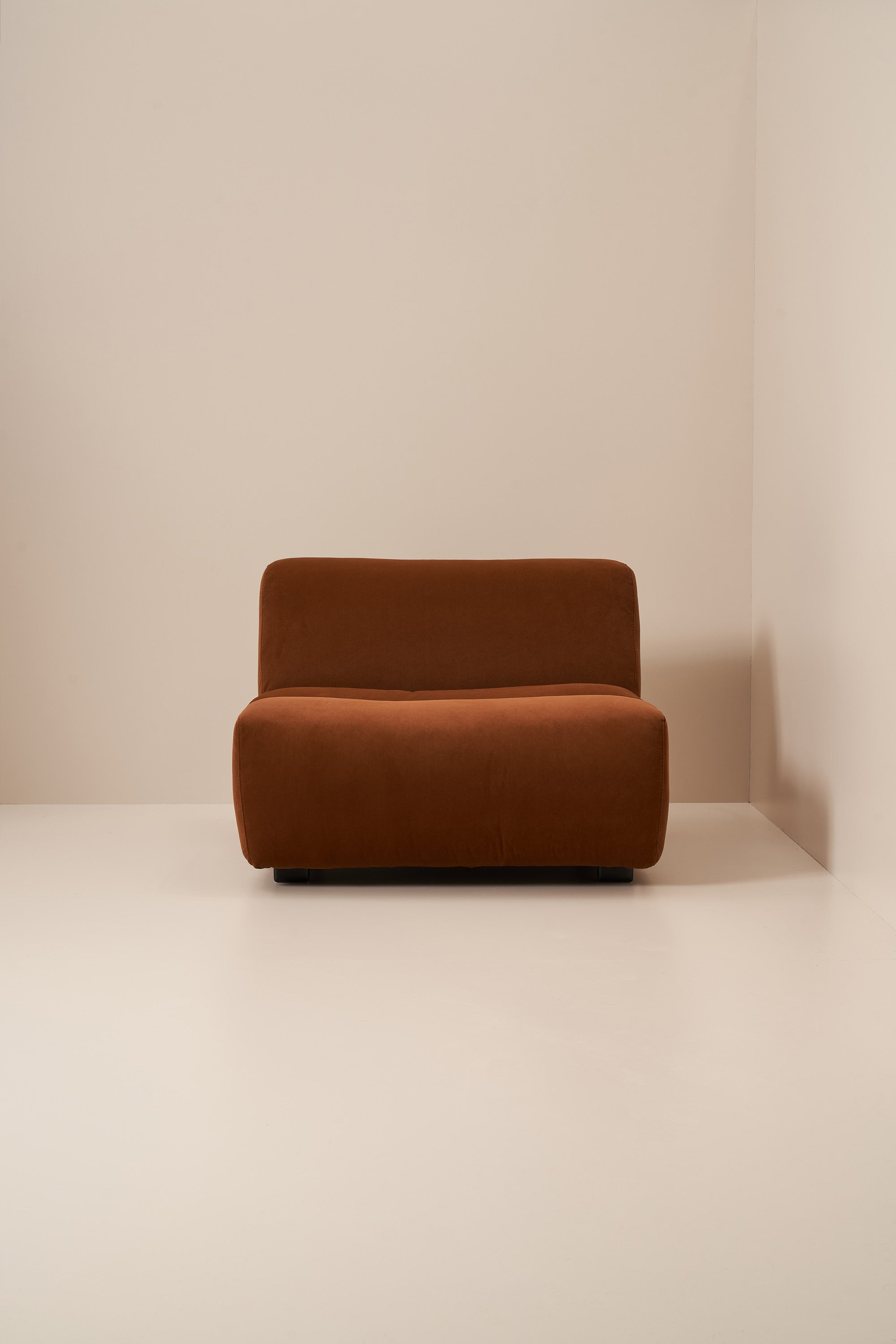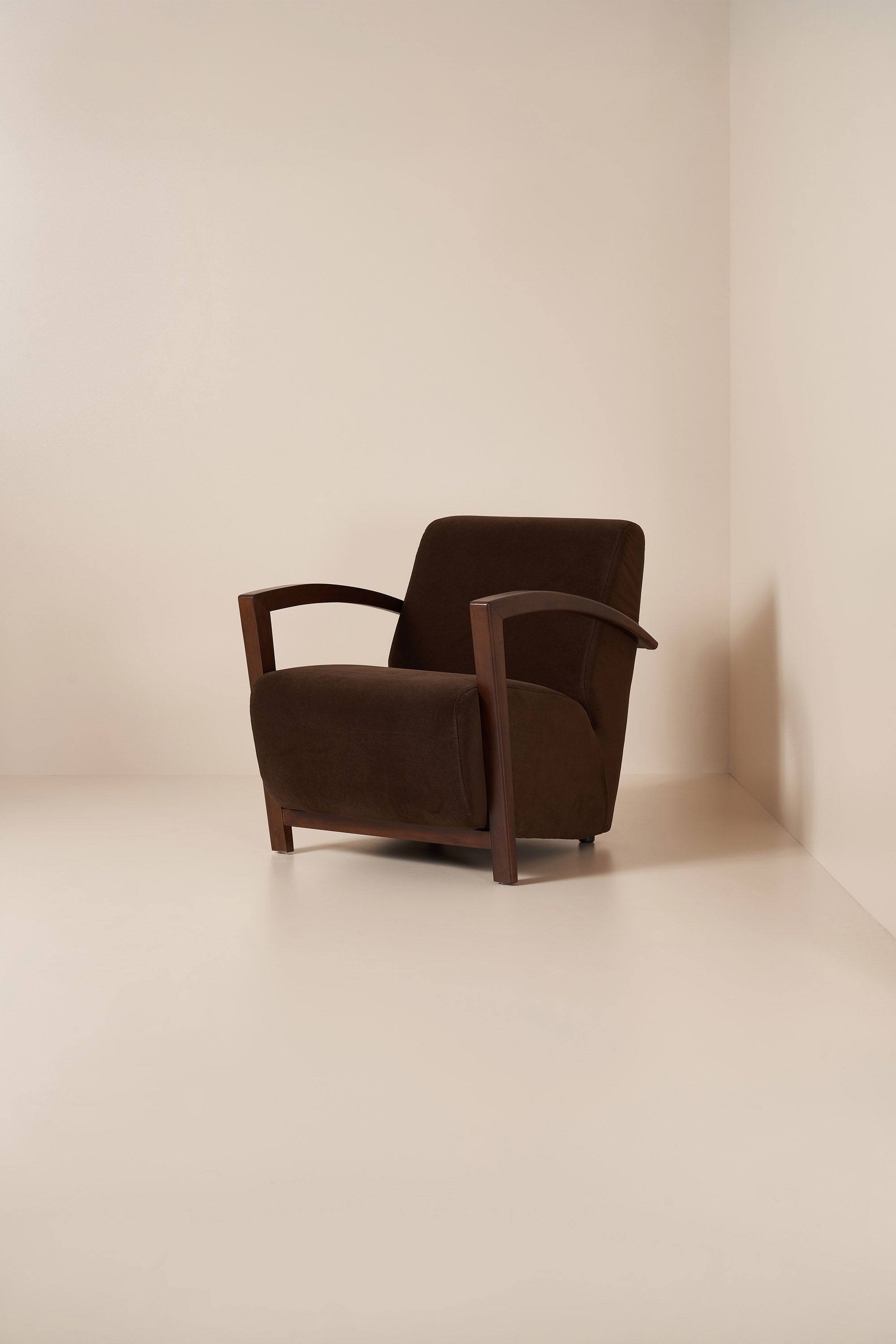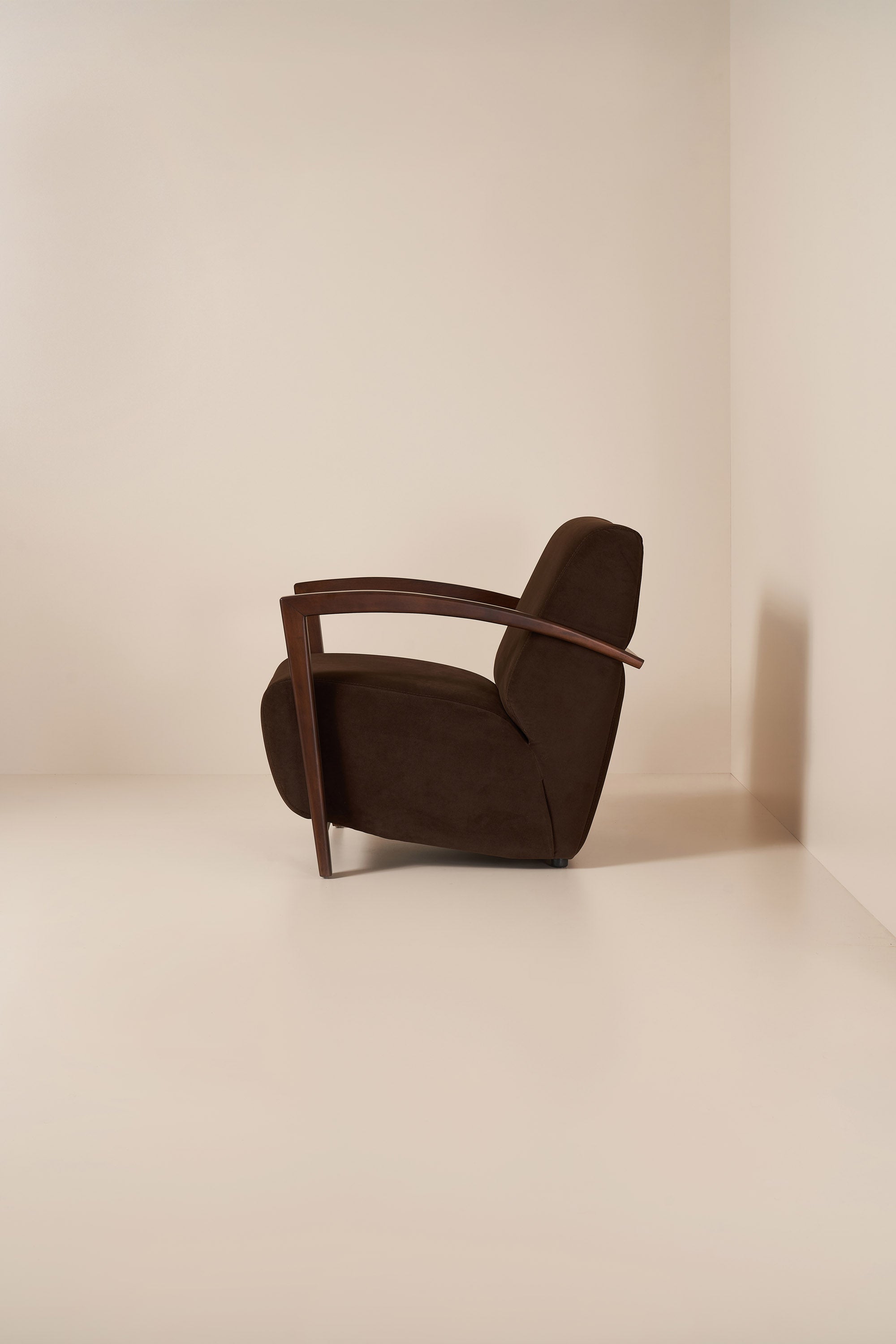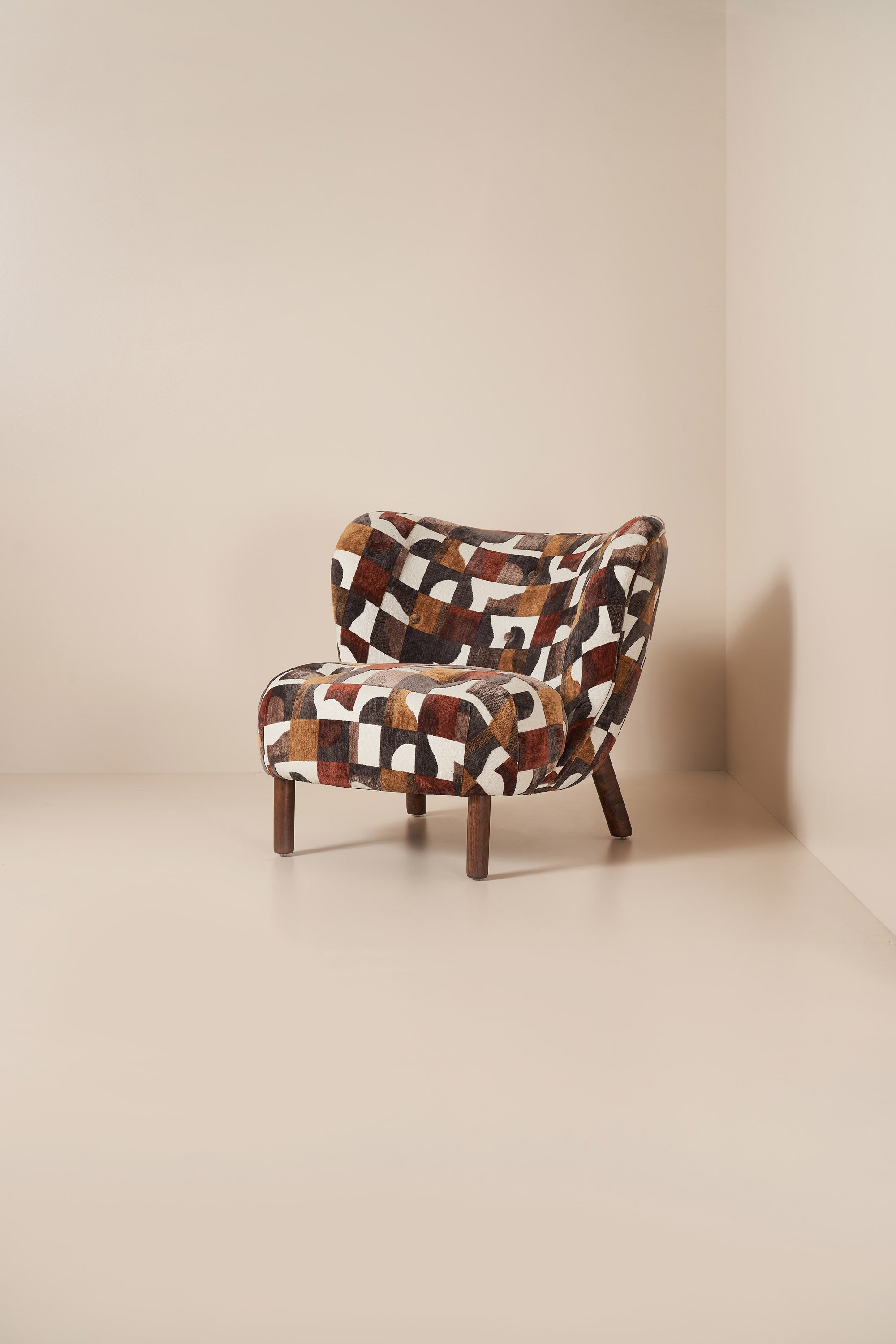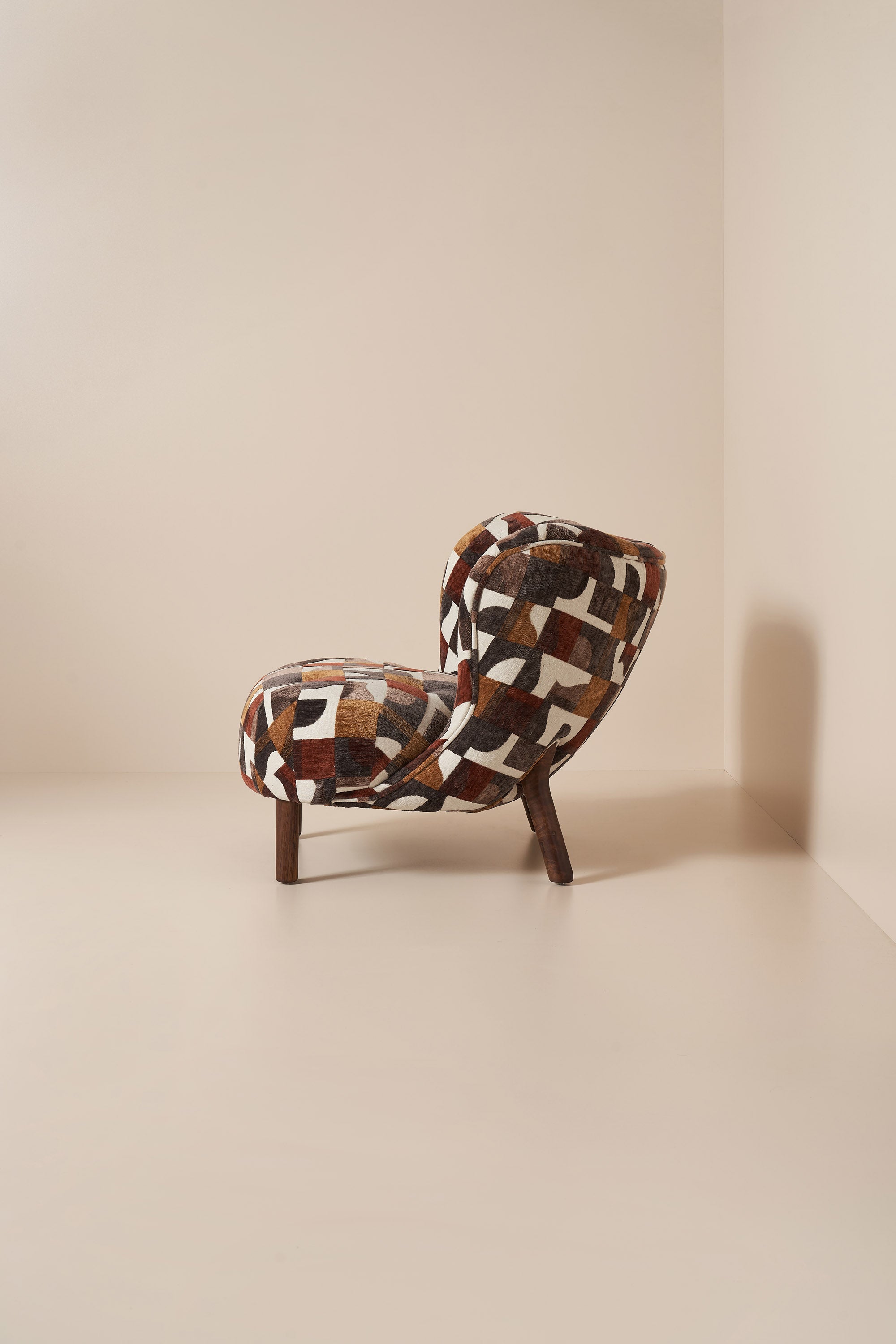
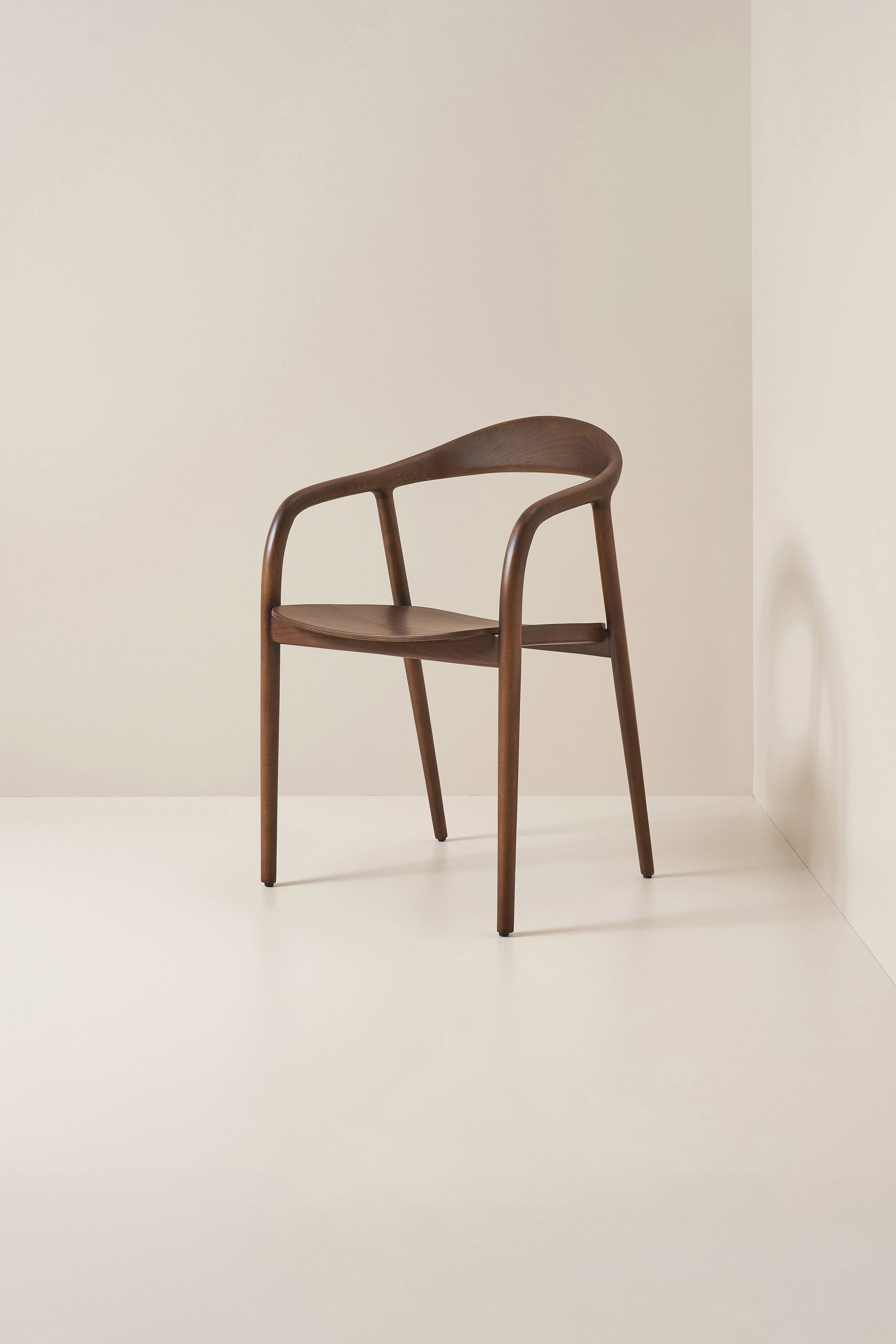
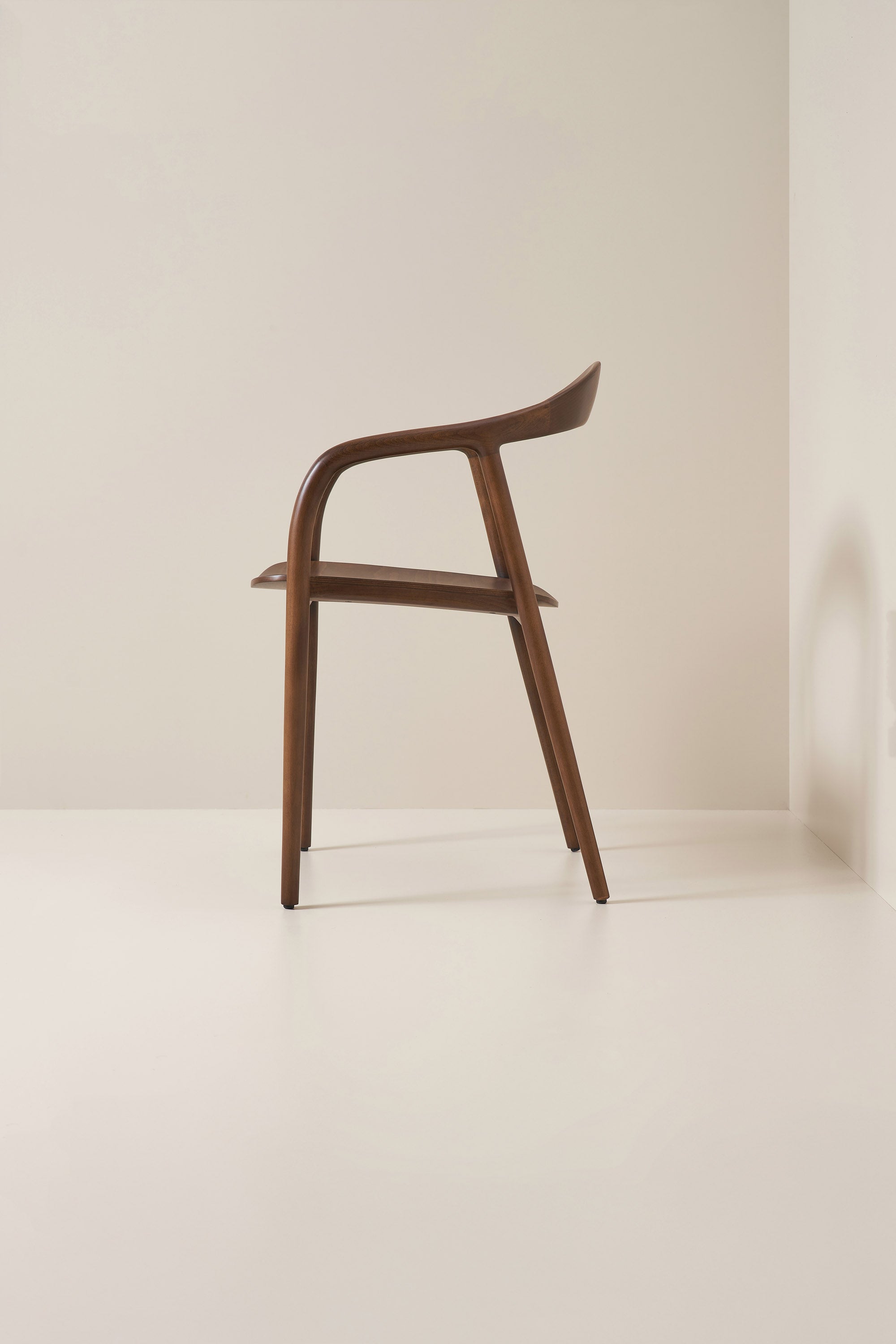

Before the 1960s, lounge chairs were often built around structure. Timber frames. Visible legs. Defined edges. Furniture still carried the logic of architecture. Then came Joe Colombo.
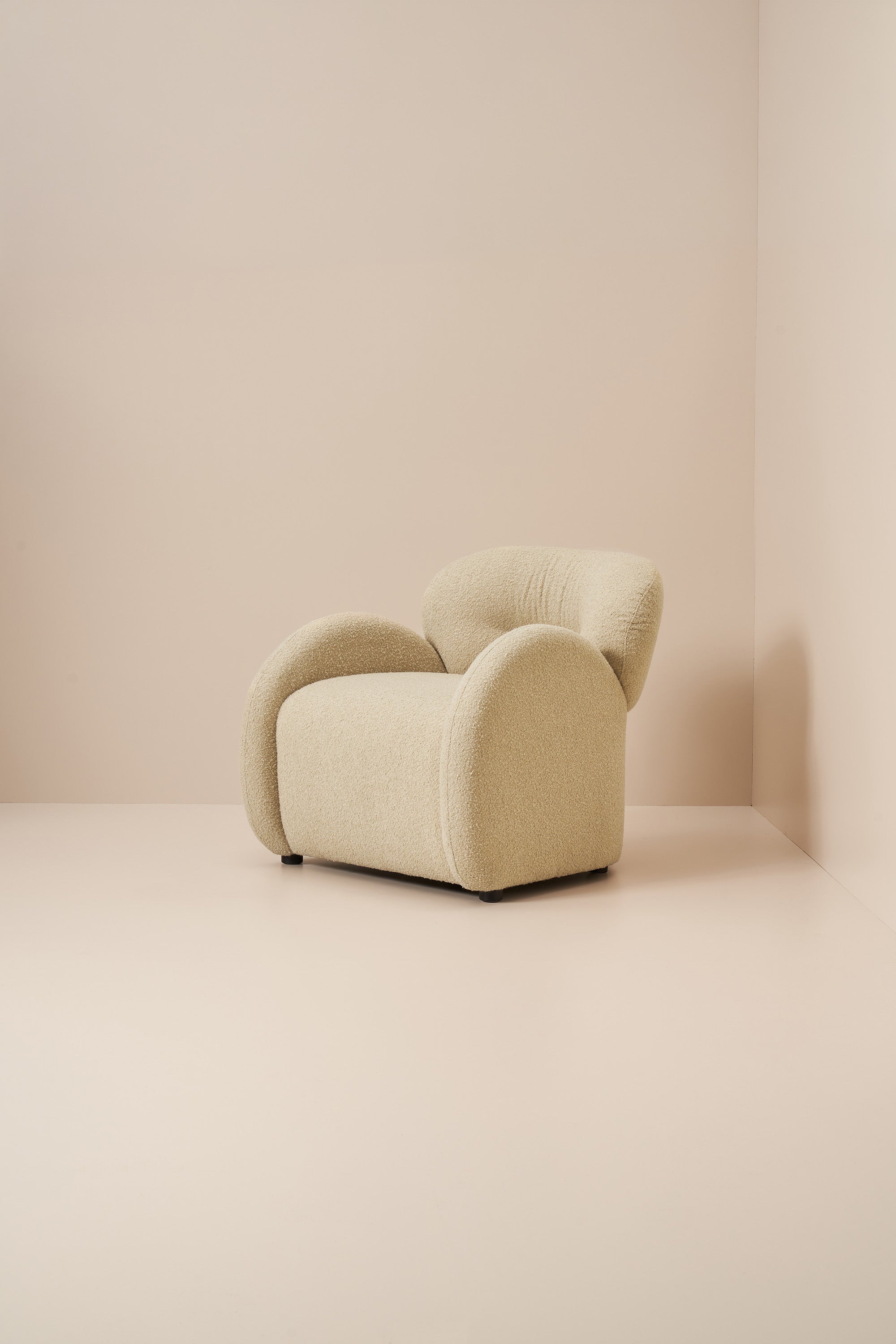
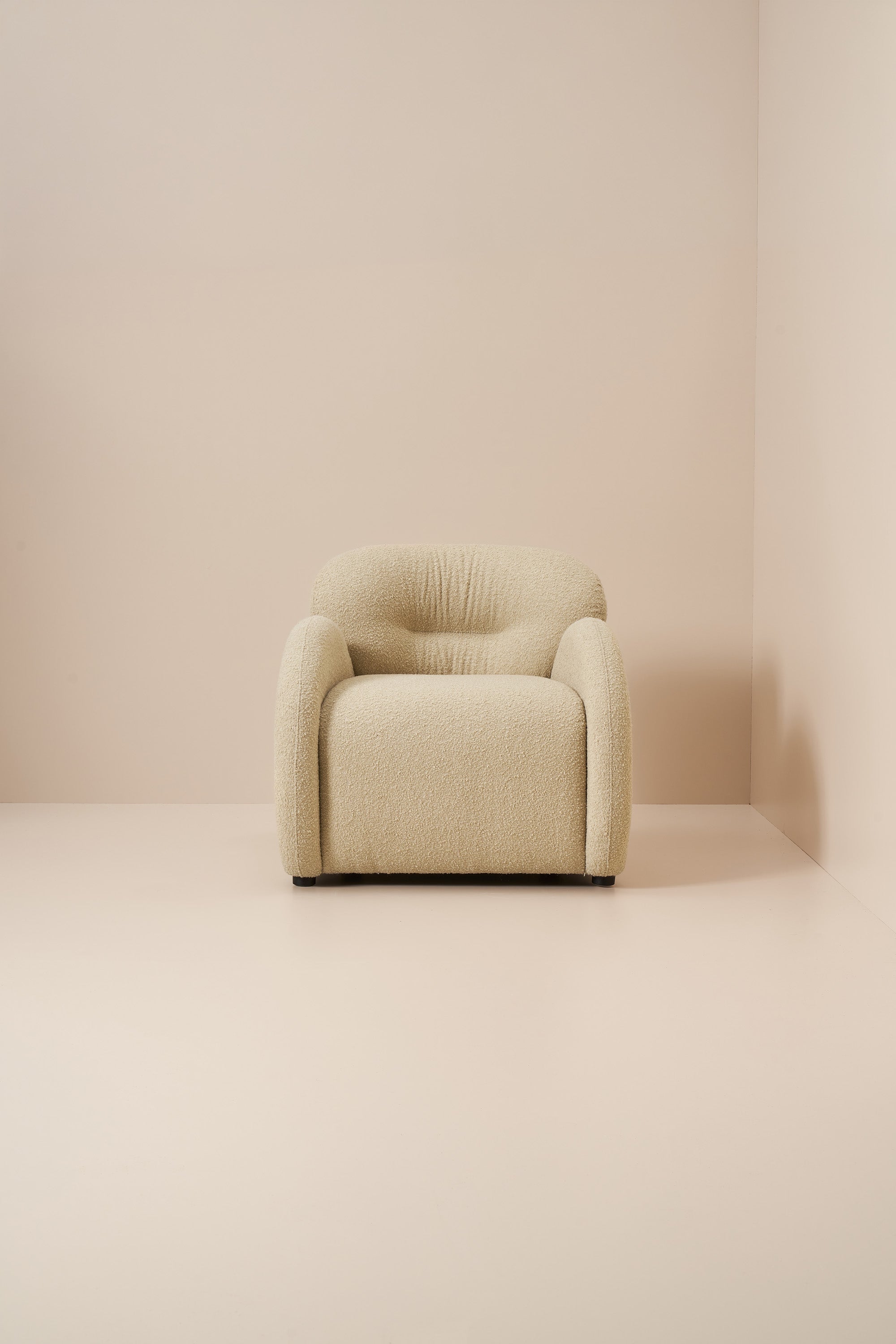
In 1963, Colombo introduced the original Elda Chair — one of the first truly sculptural lounge chairs of the modern era. It rejected the rigid language that had dominated furniture design for decades and replaced it with something softer, more immersive and almost futuristic in feeling. The chair wrapped around the body rather than simply supporting it.
It was a radical shift in thinking. Furniture was no longer something purely functional. It became experiential.


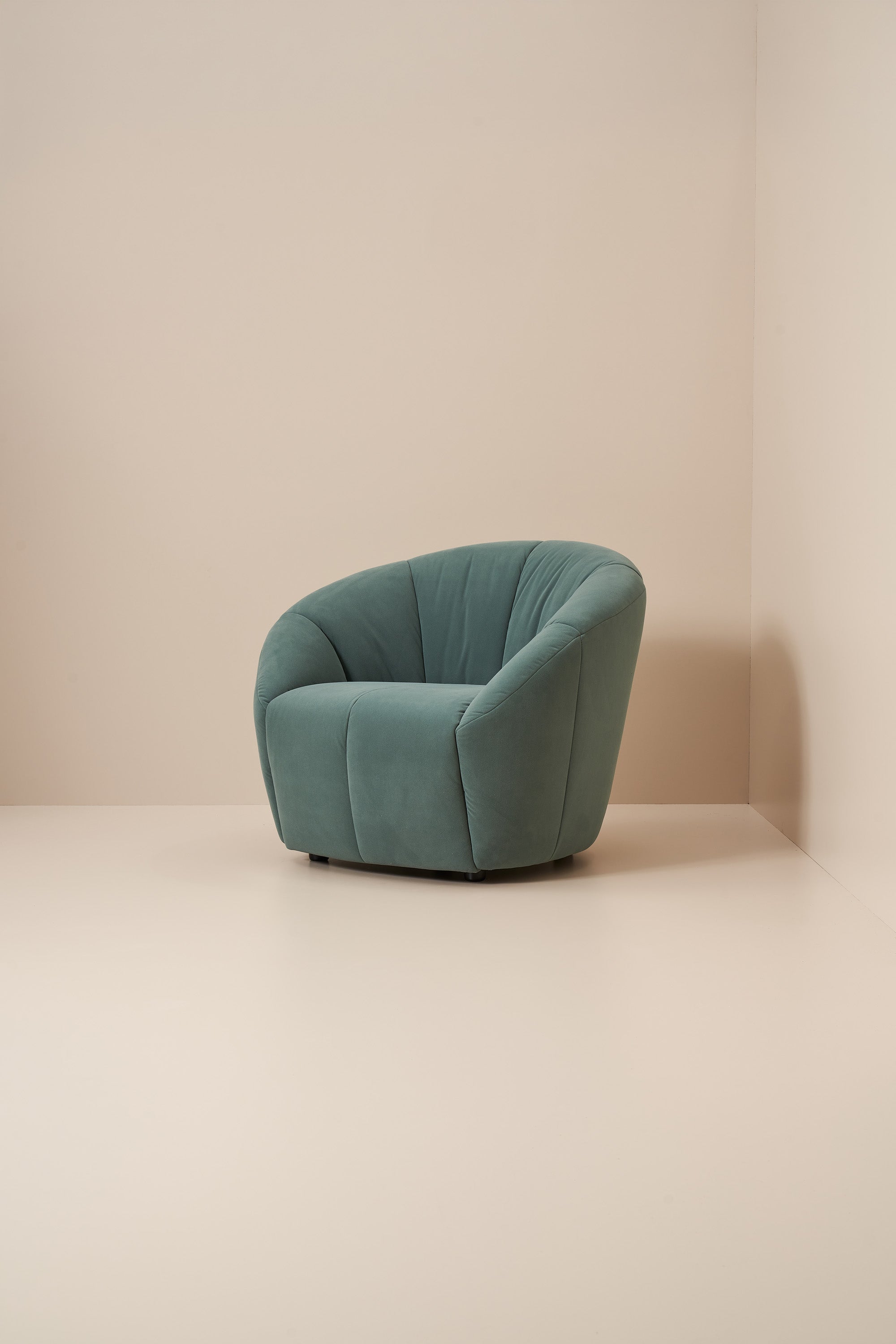
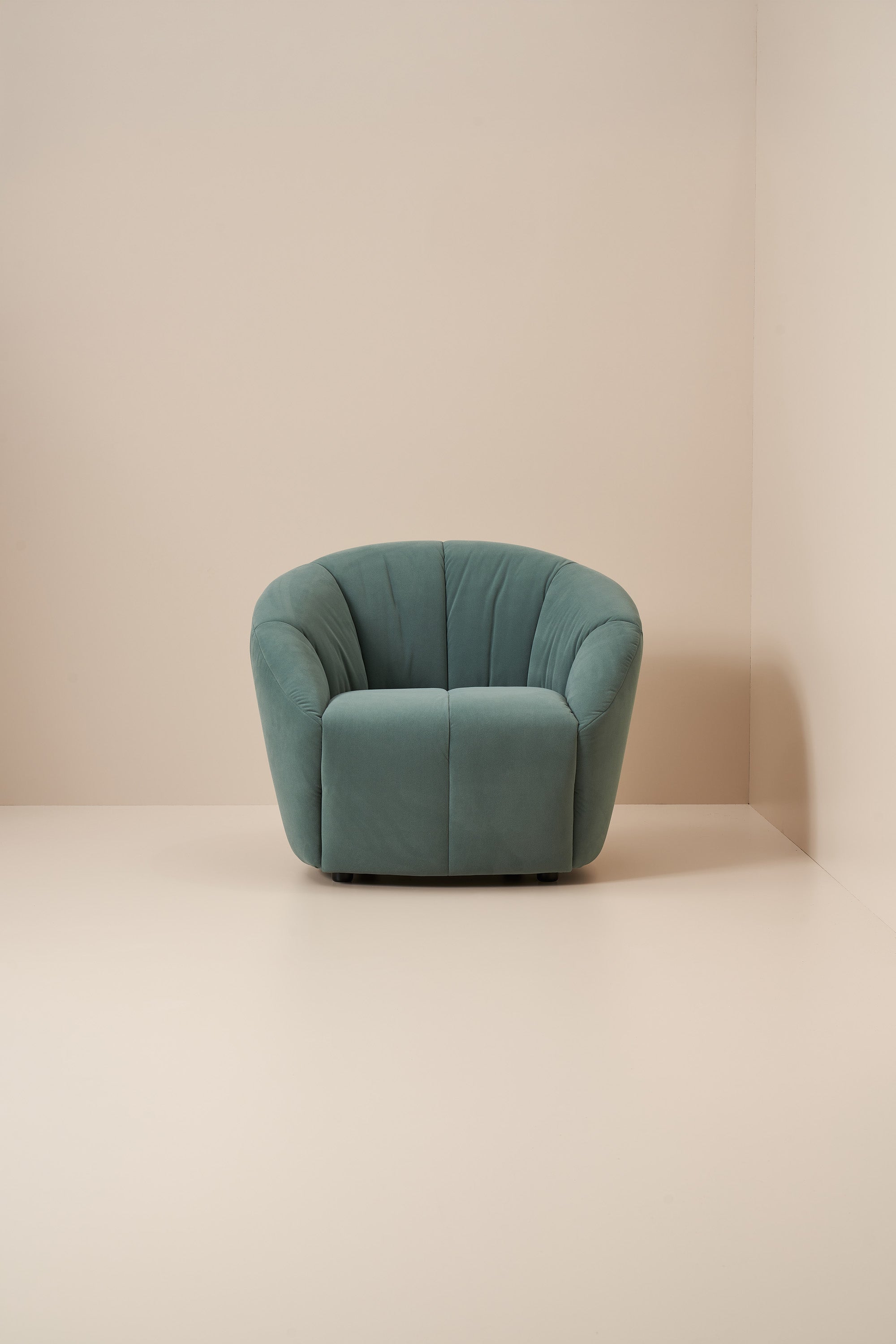
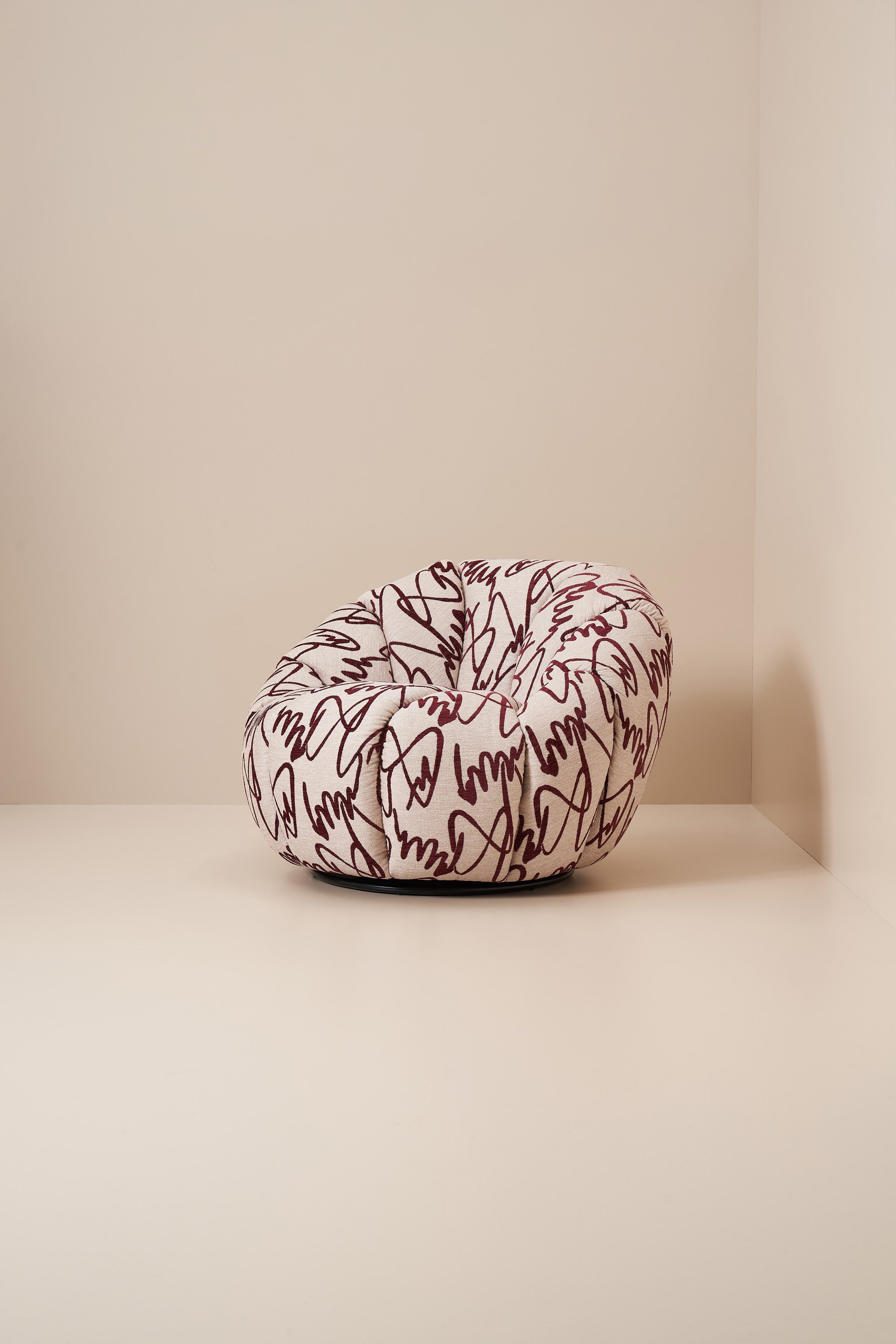
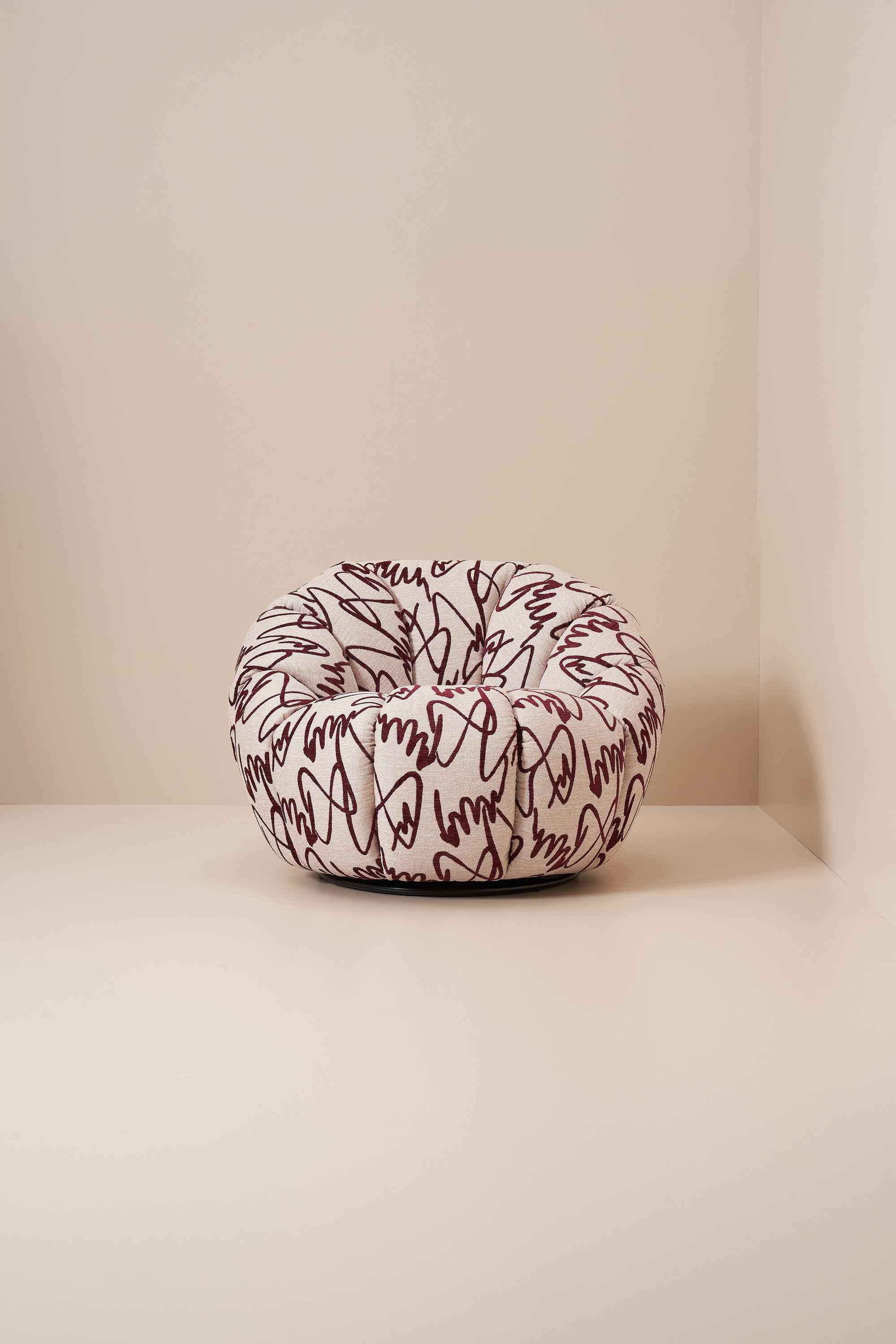
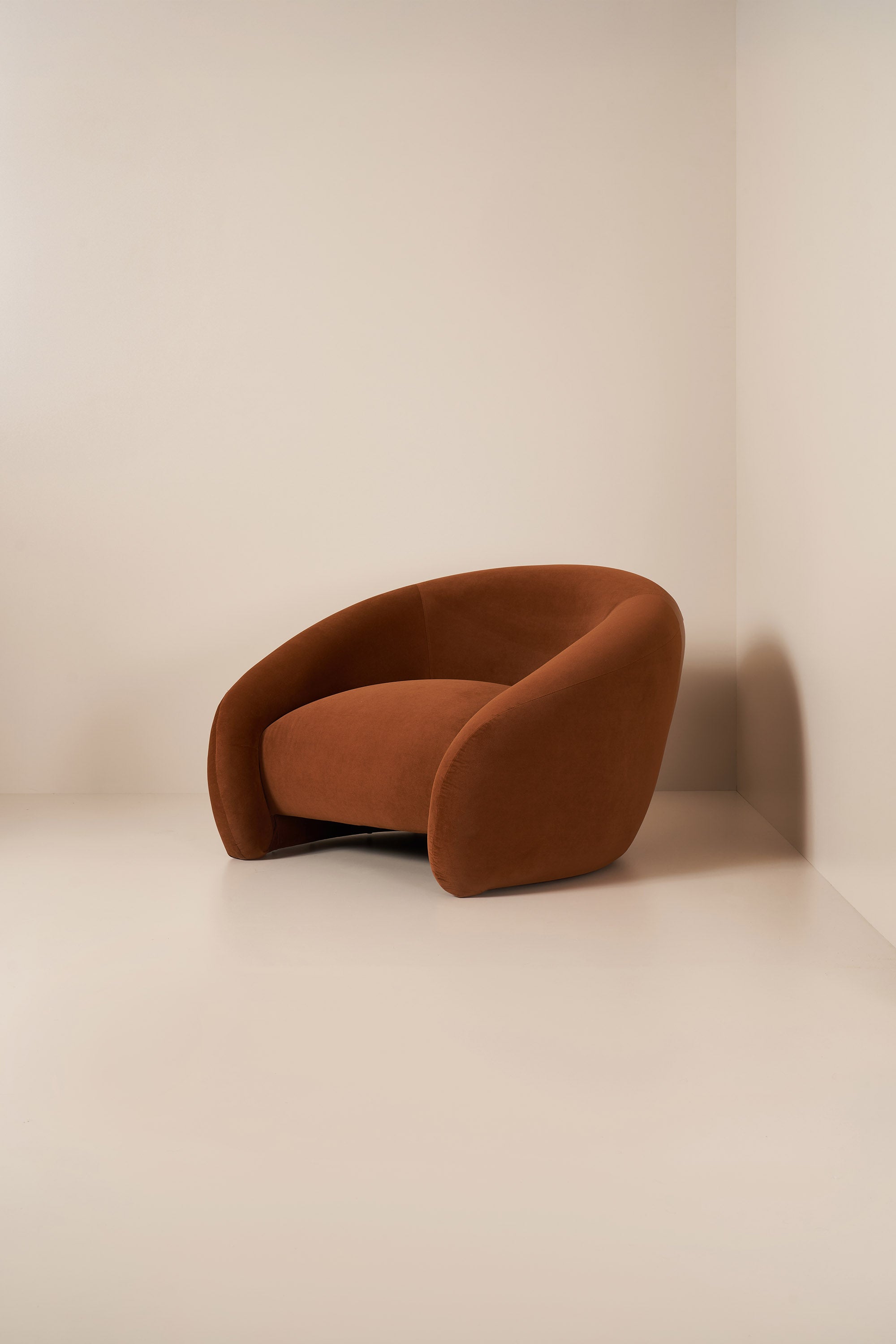
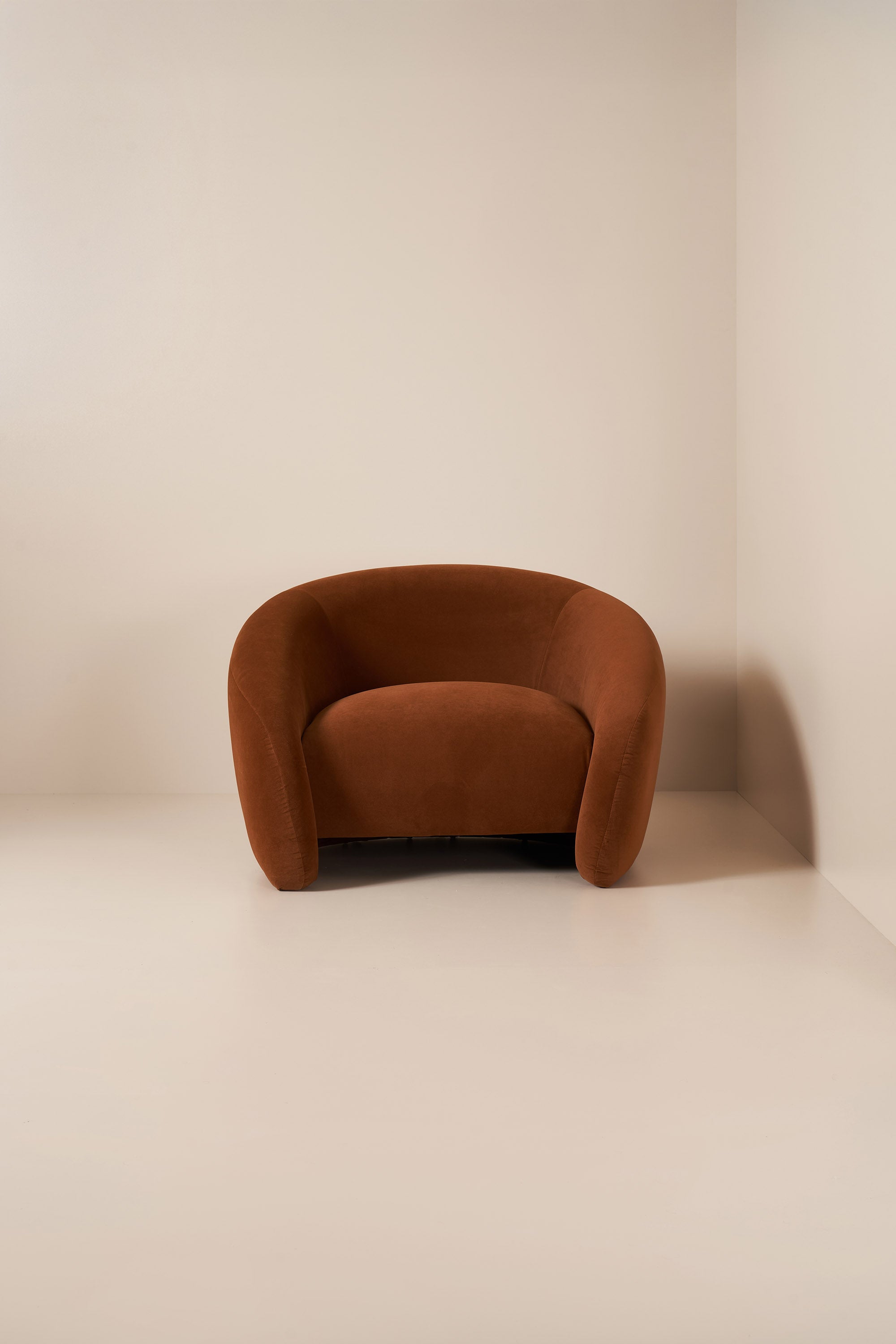
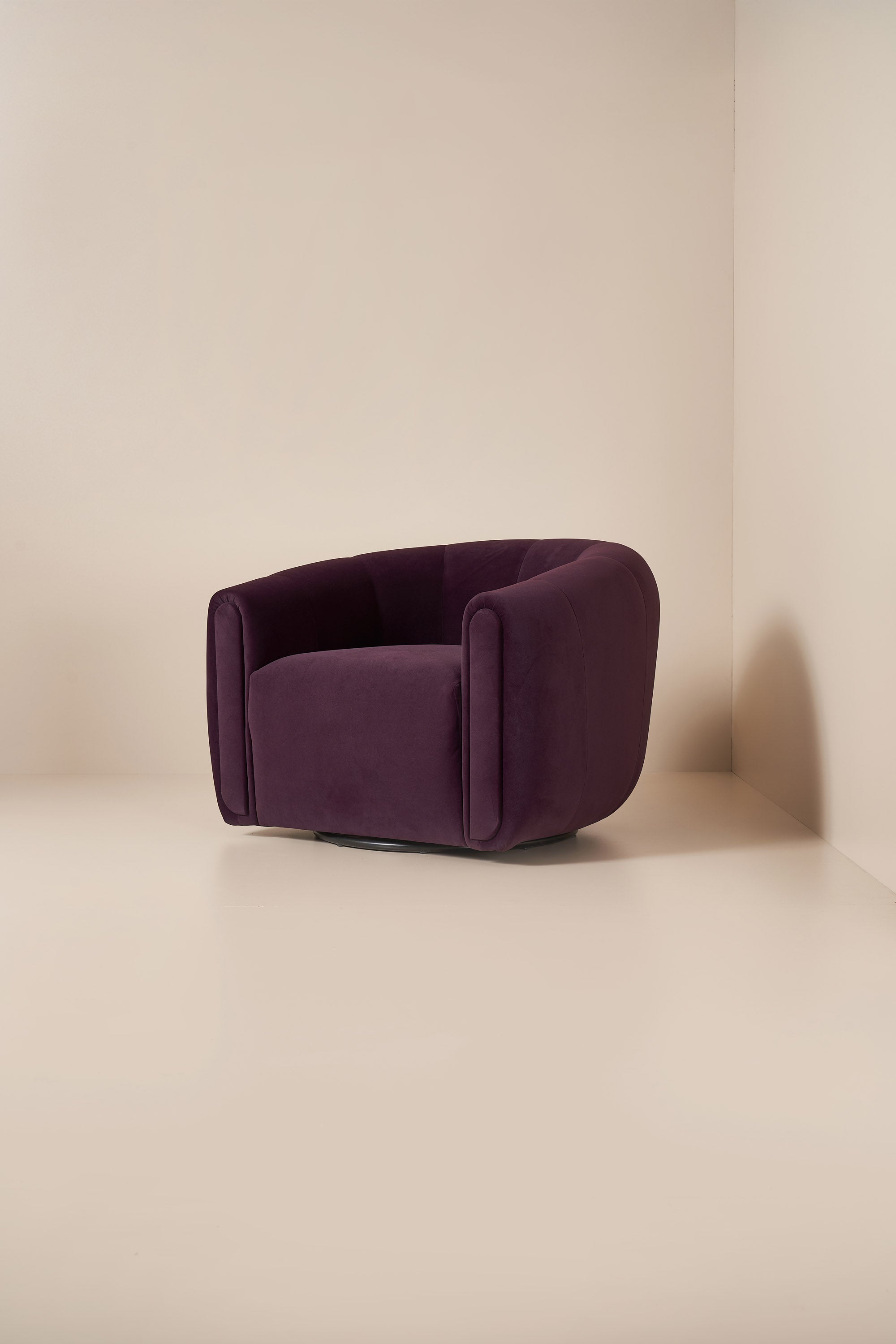
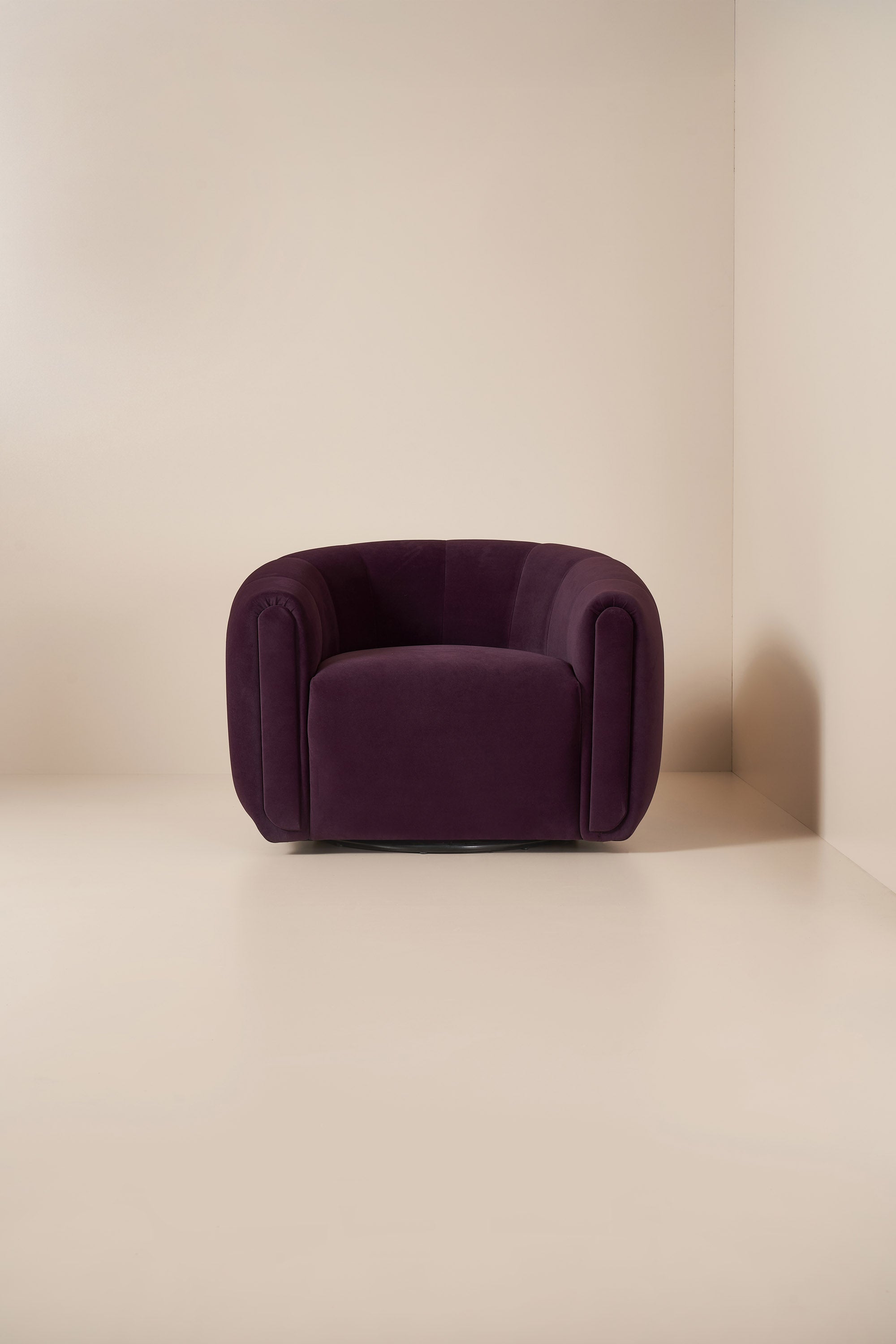
The Elda Lounge Chair carries that same spirit forward. Its cocooned silhouette and deep channel tufting create a sense of enclosure that feels almost protective, particularly in larger open spaces where softness and intimacy matter. There is a confidence to the shape, but also comfort in the way the curves absorb light and soften a room visually.
What makes designs like this endure is not simply aesthetics, but emotion. Even today, the Elda still feels modern because it answers something timeless: the desire for spaces that feel calm, tactile and deeply human.
In Slate Blue Velvet, the piece takes on an even quieter depth. The colour shifts subtly throughout the day, moving between dusty blue and charcoal depending on the light, giving the chair an atmospheric quality that feels more architectural than decorative.
Some furniture fills a room. Other pieces completely change its mood.