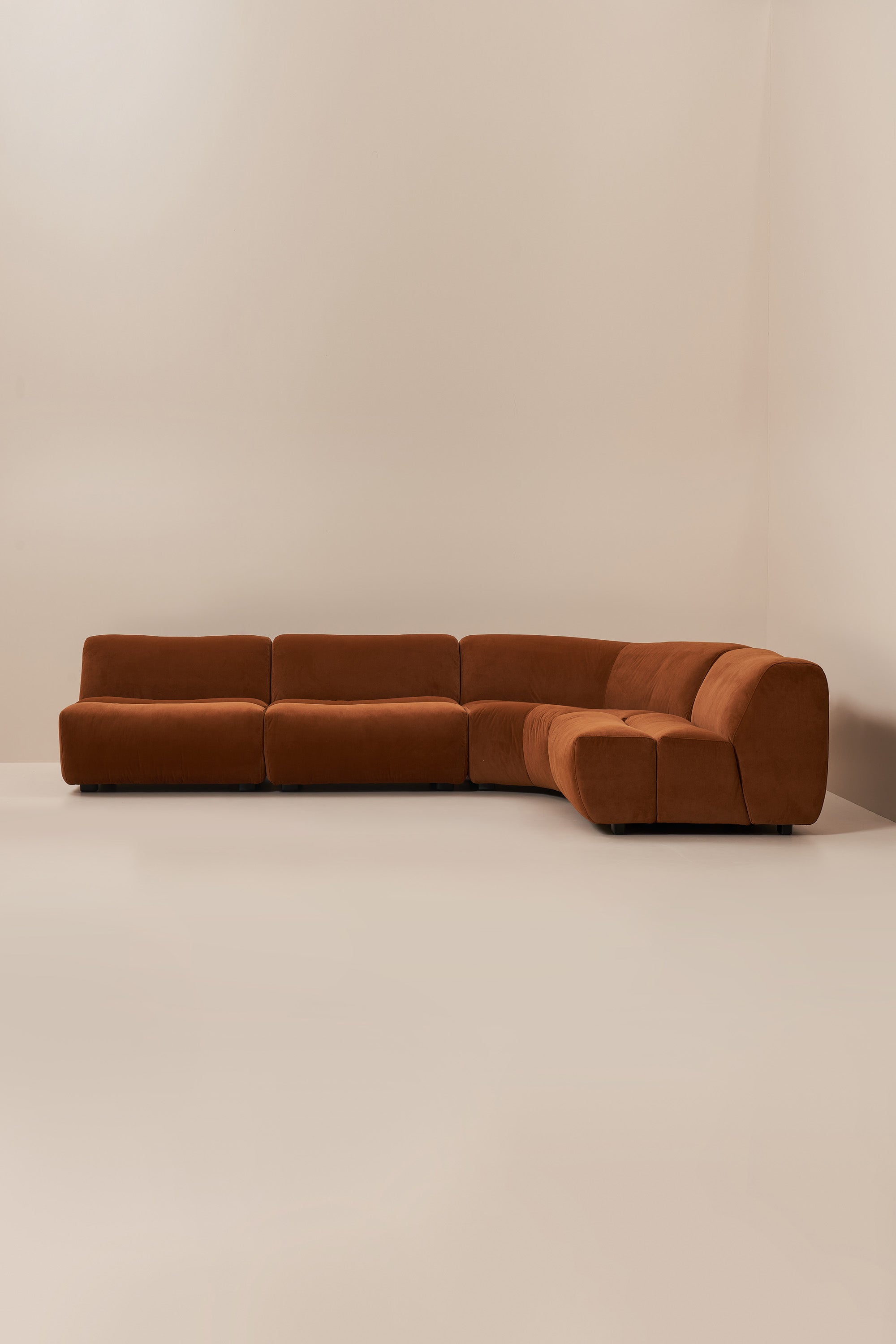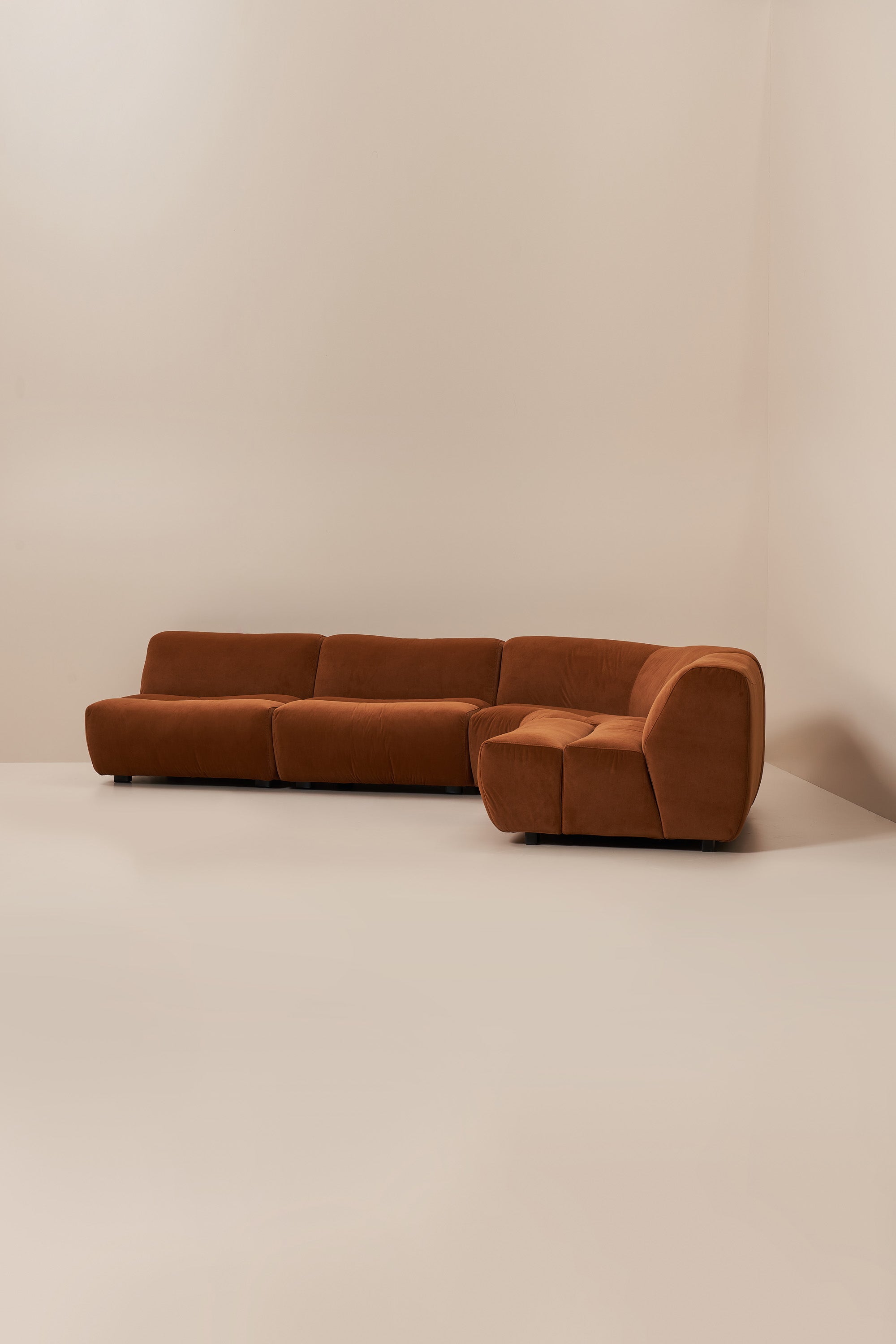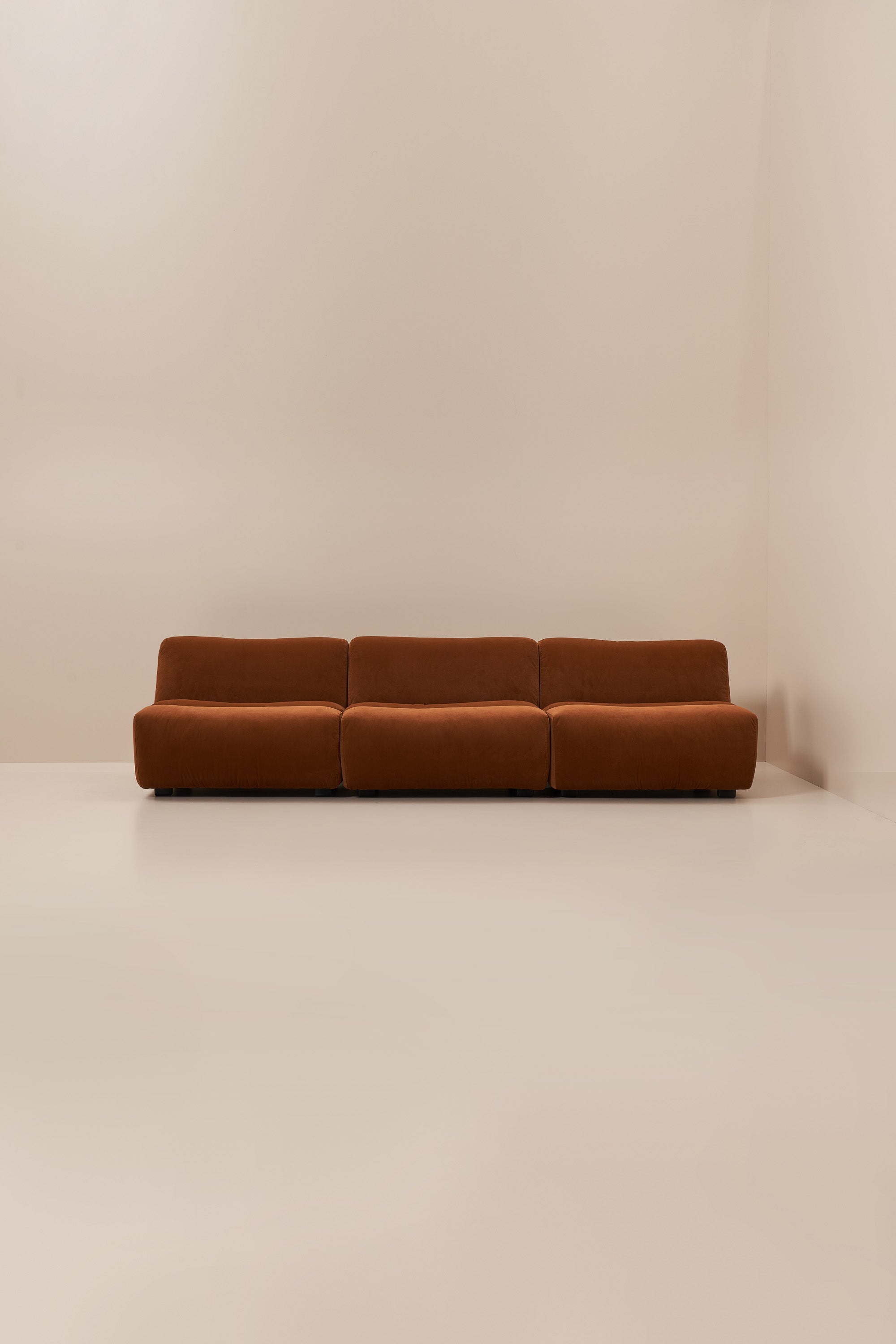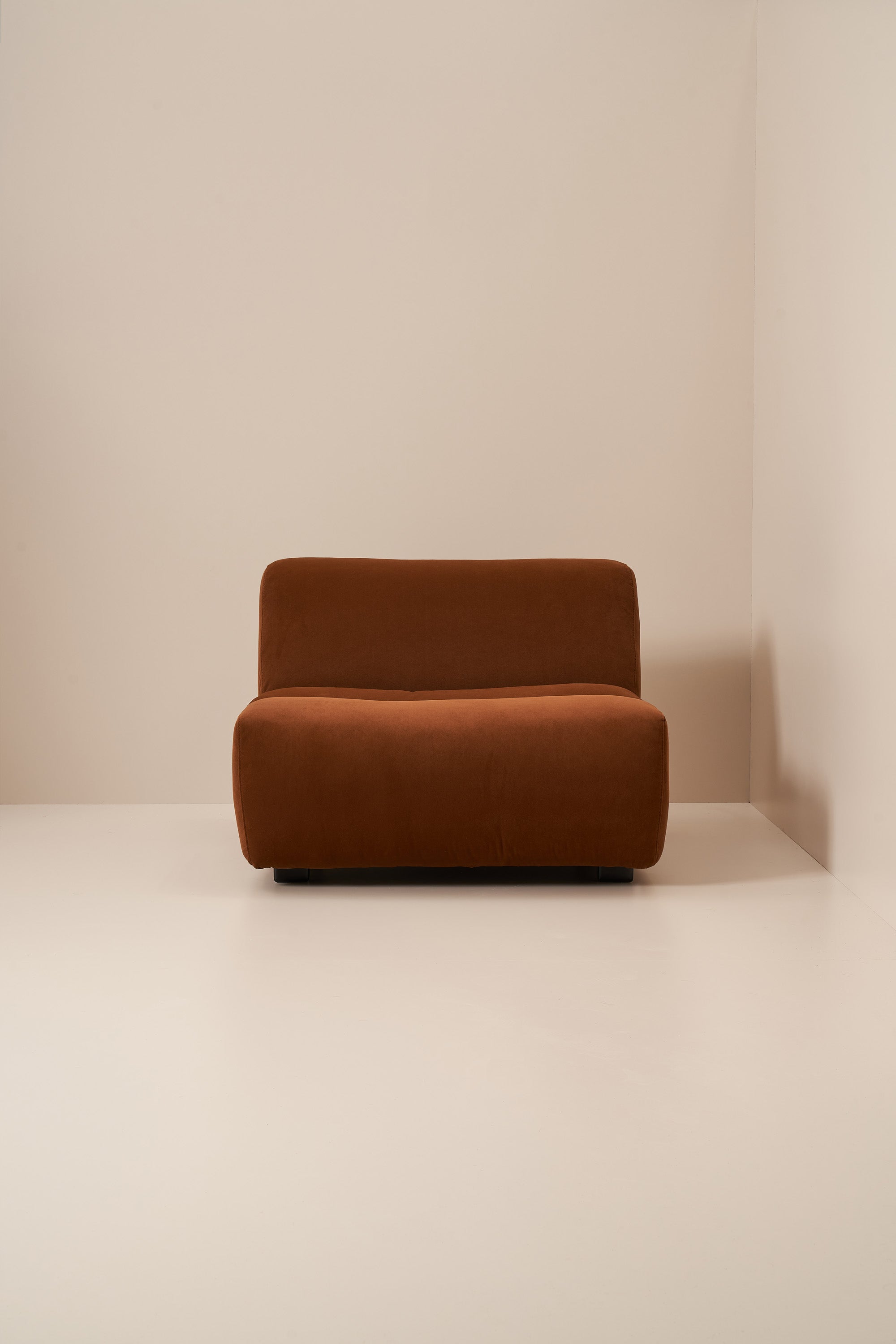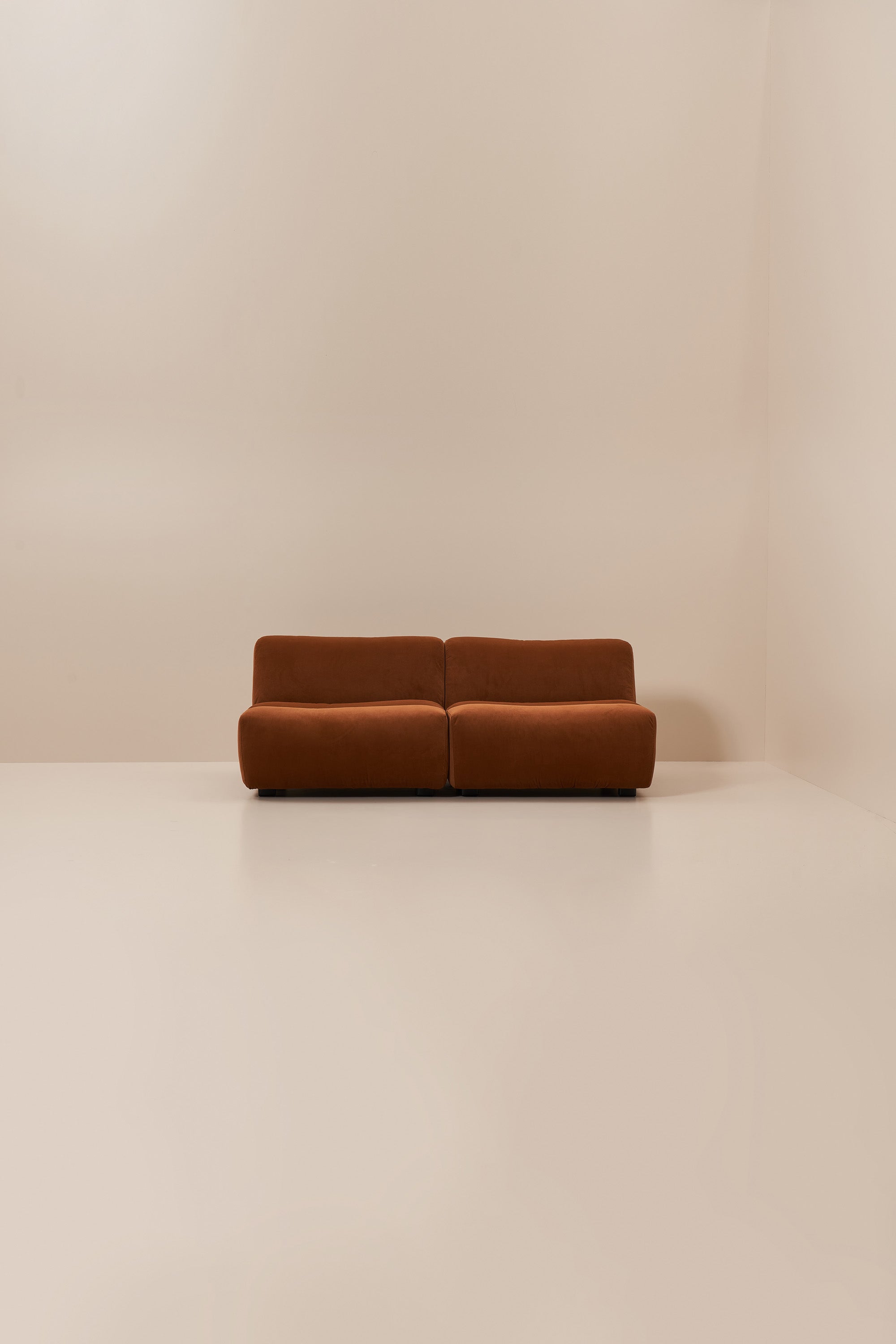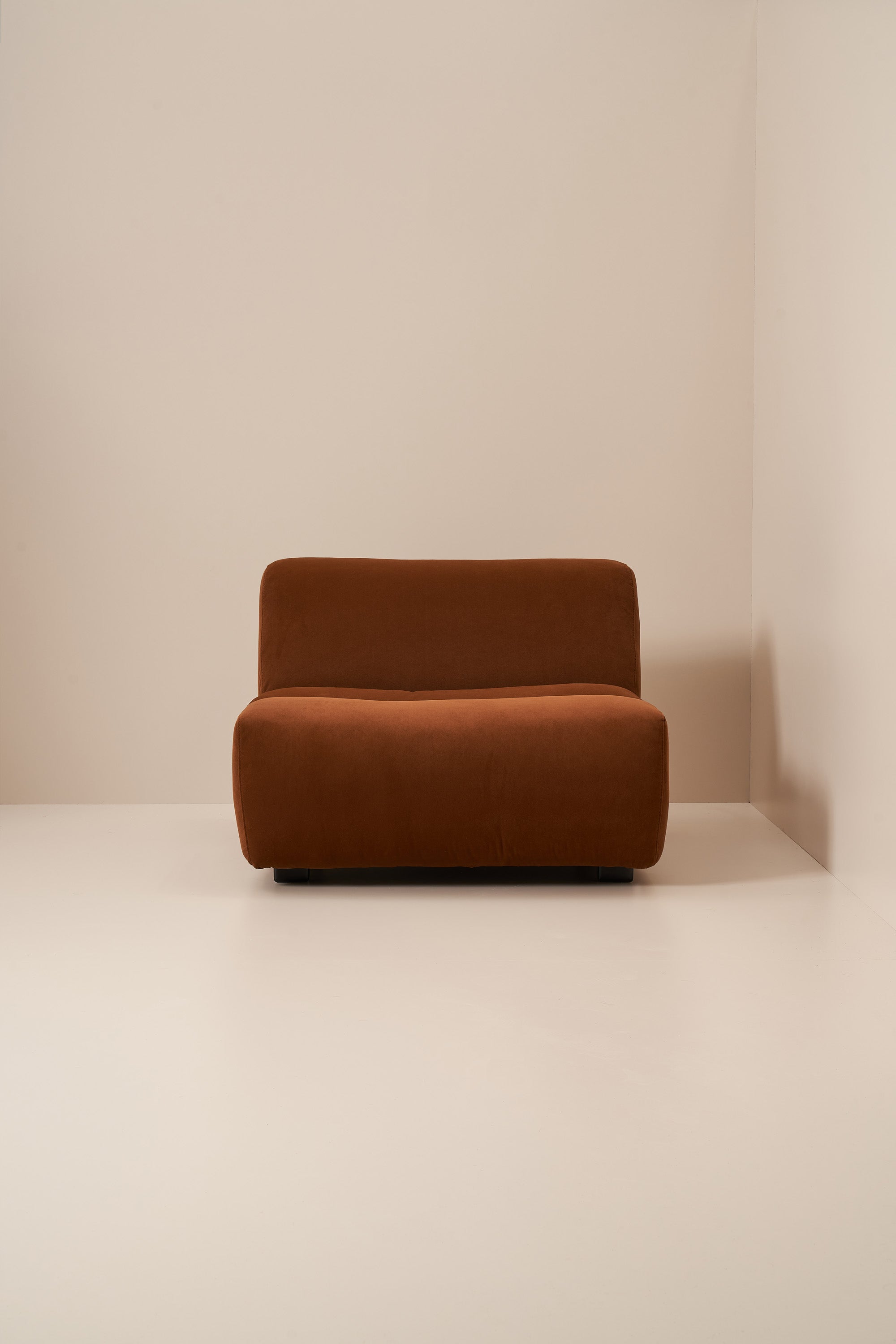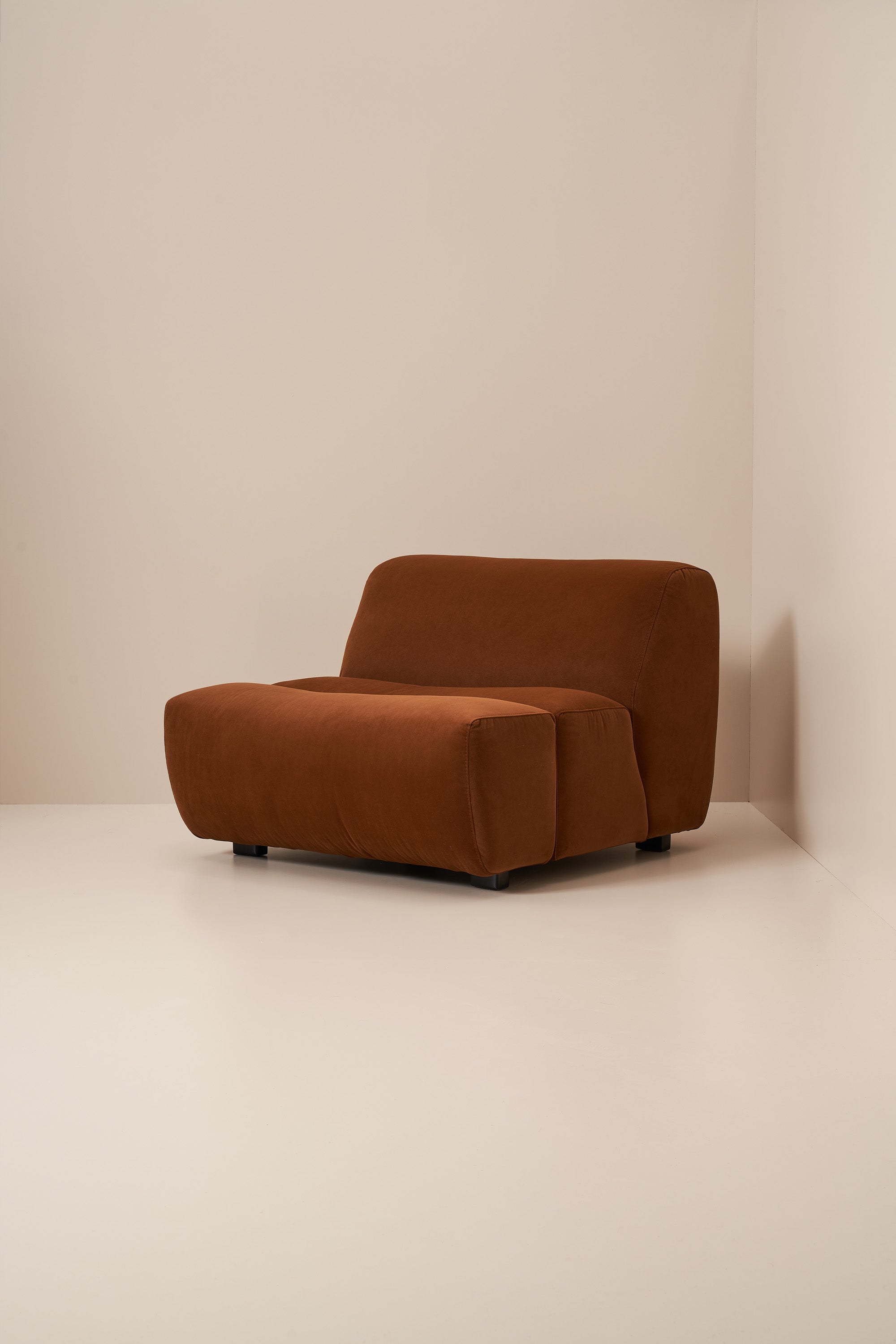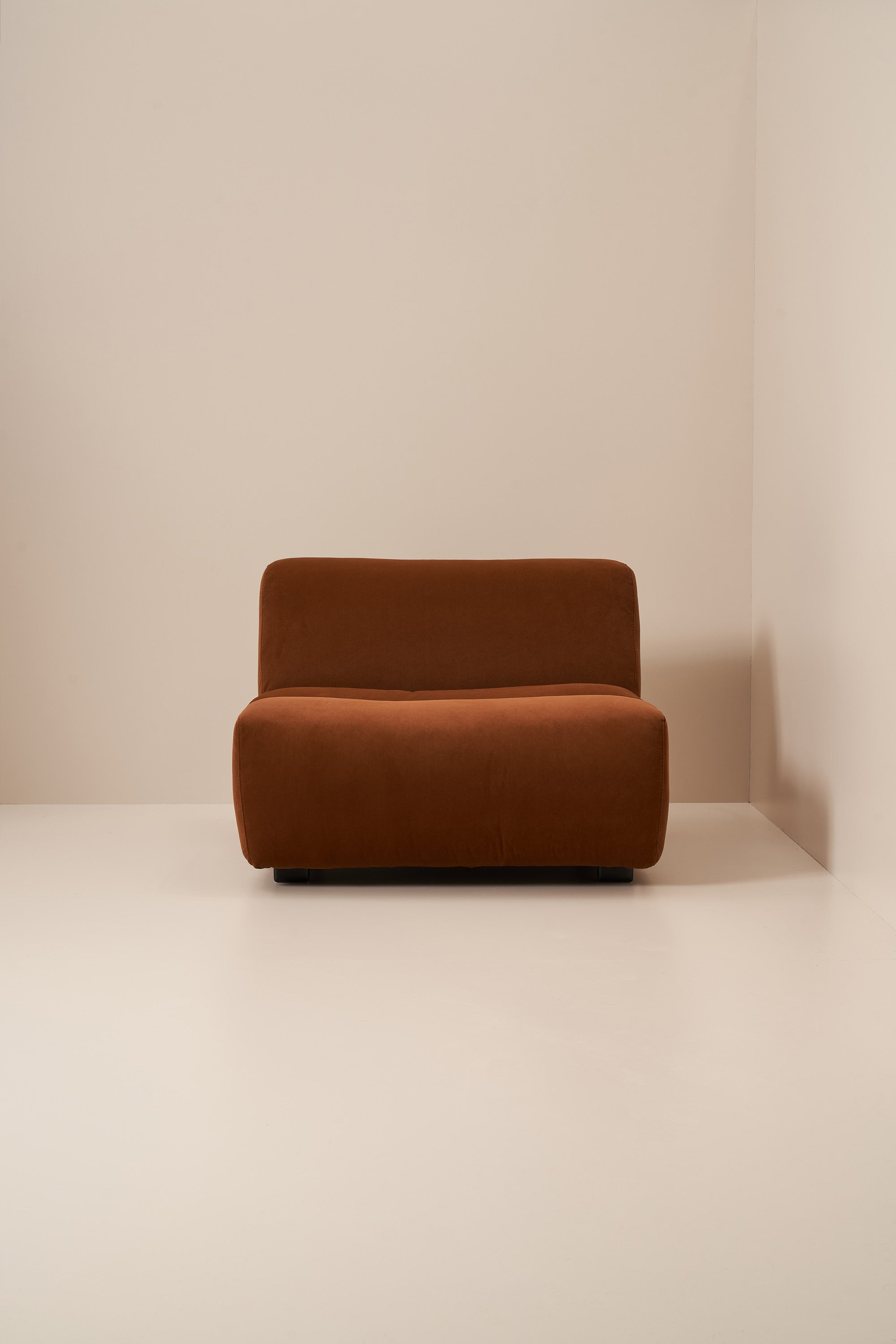

The rise of modular seating in the late 1960s marked a major shift in how interiors were imagined.
Living spaces became more open. More relaxed. Furniture was no longer fixed into formal arrangements, but designed to adapt alongside daily life. Italian designers in particular embraced modularity as a new kind of freedom — seating systems that could evolve, expand and reshape themselves over time.


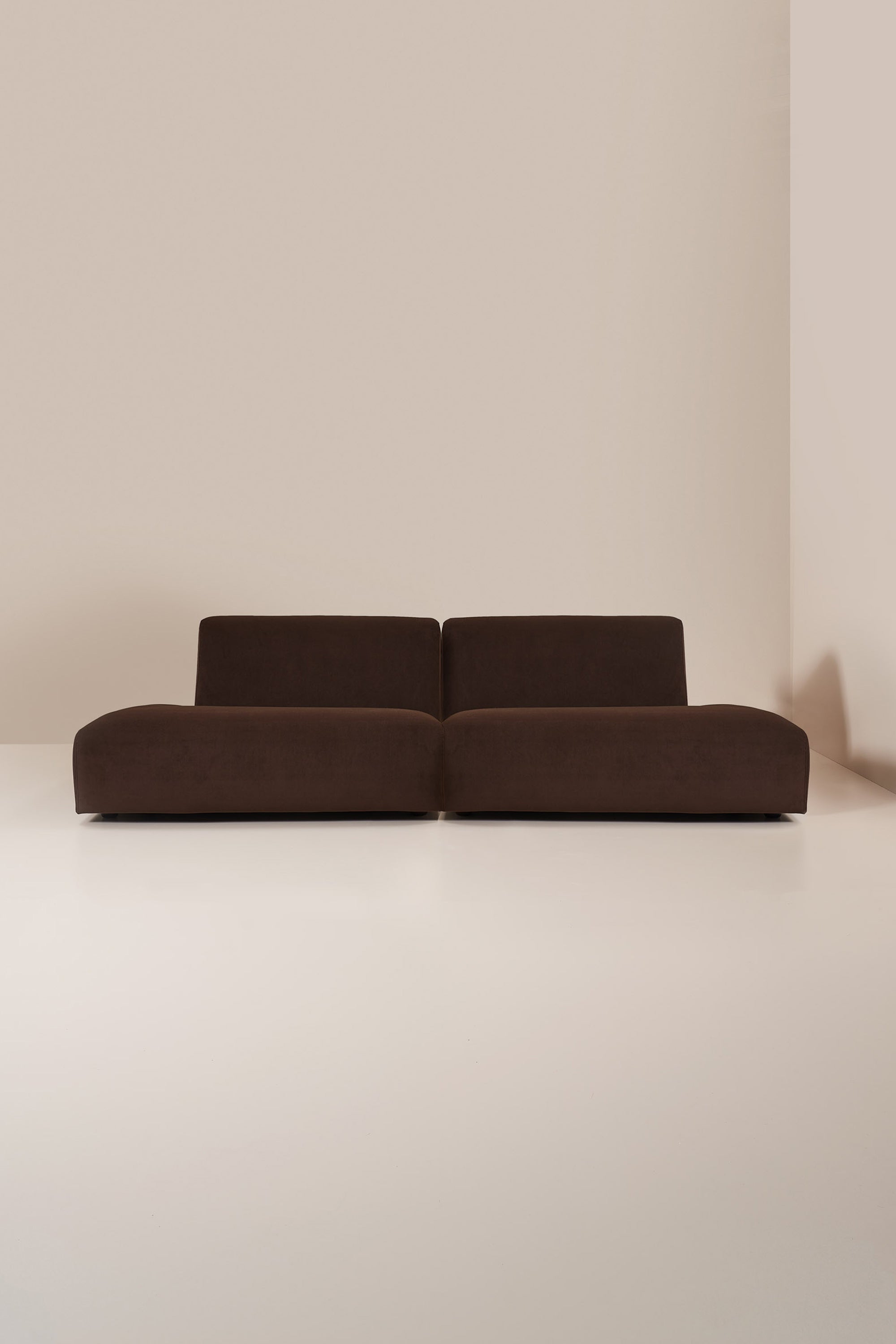
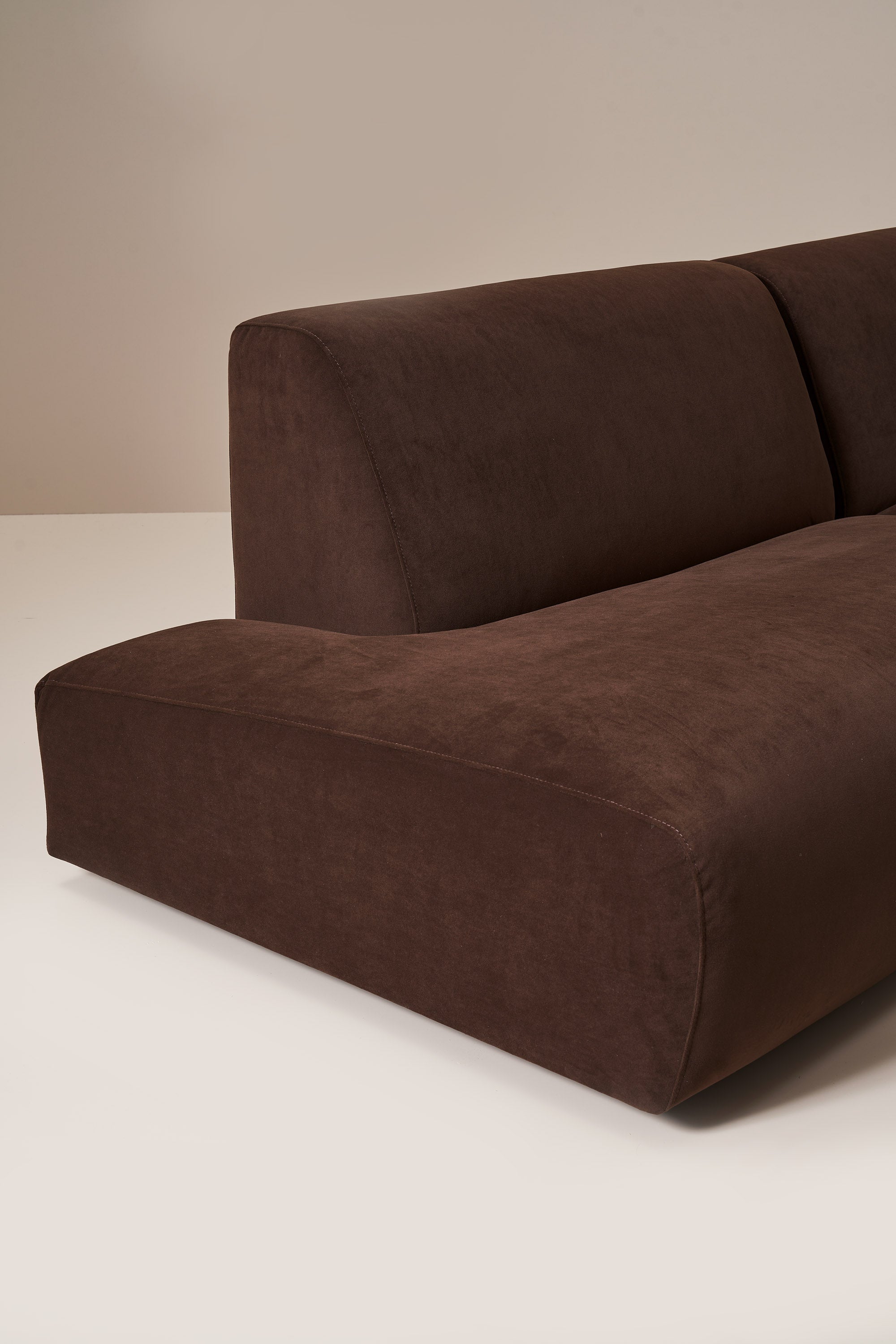
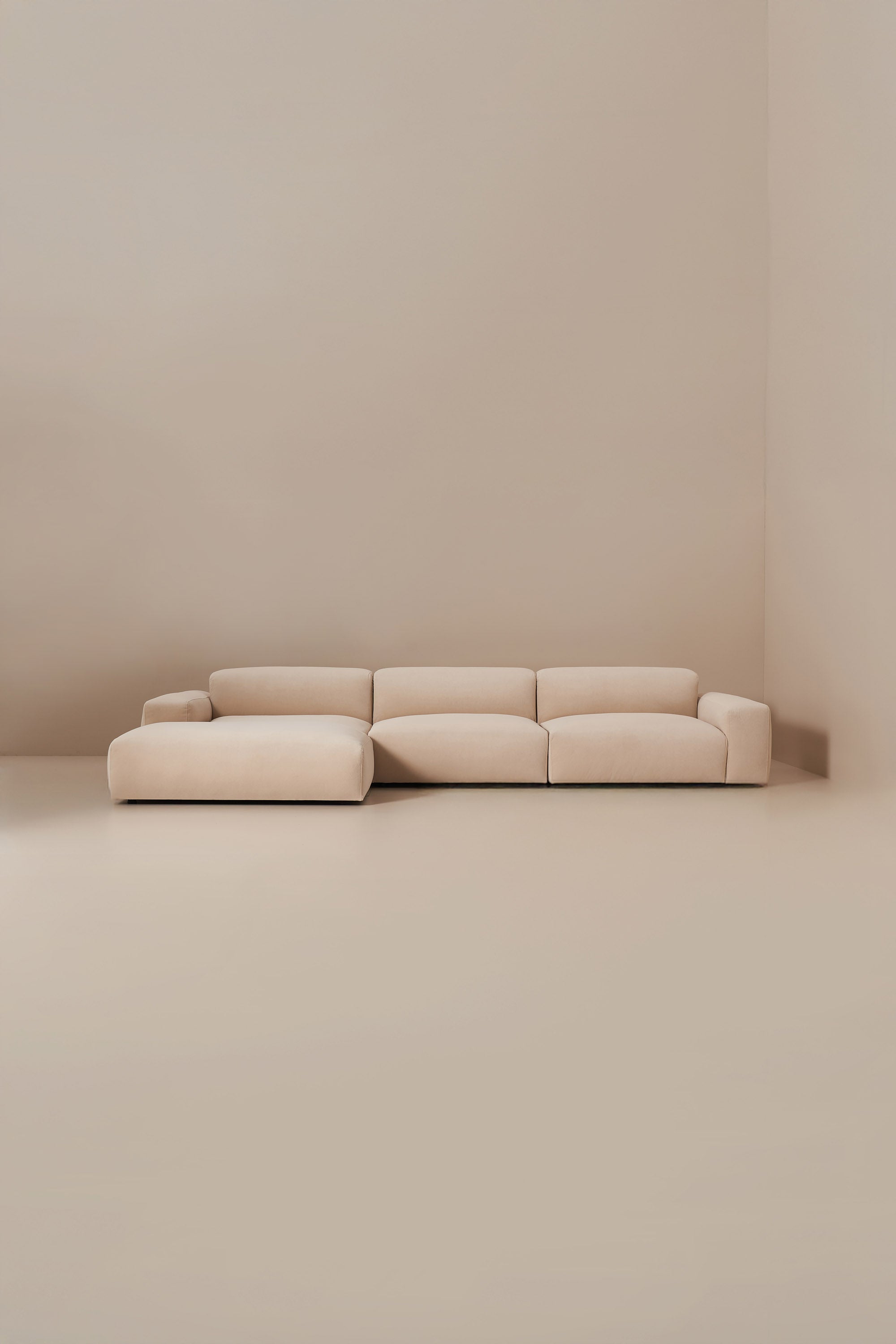
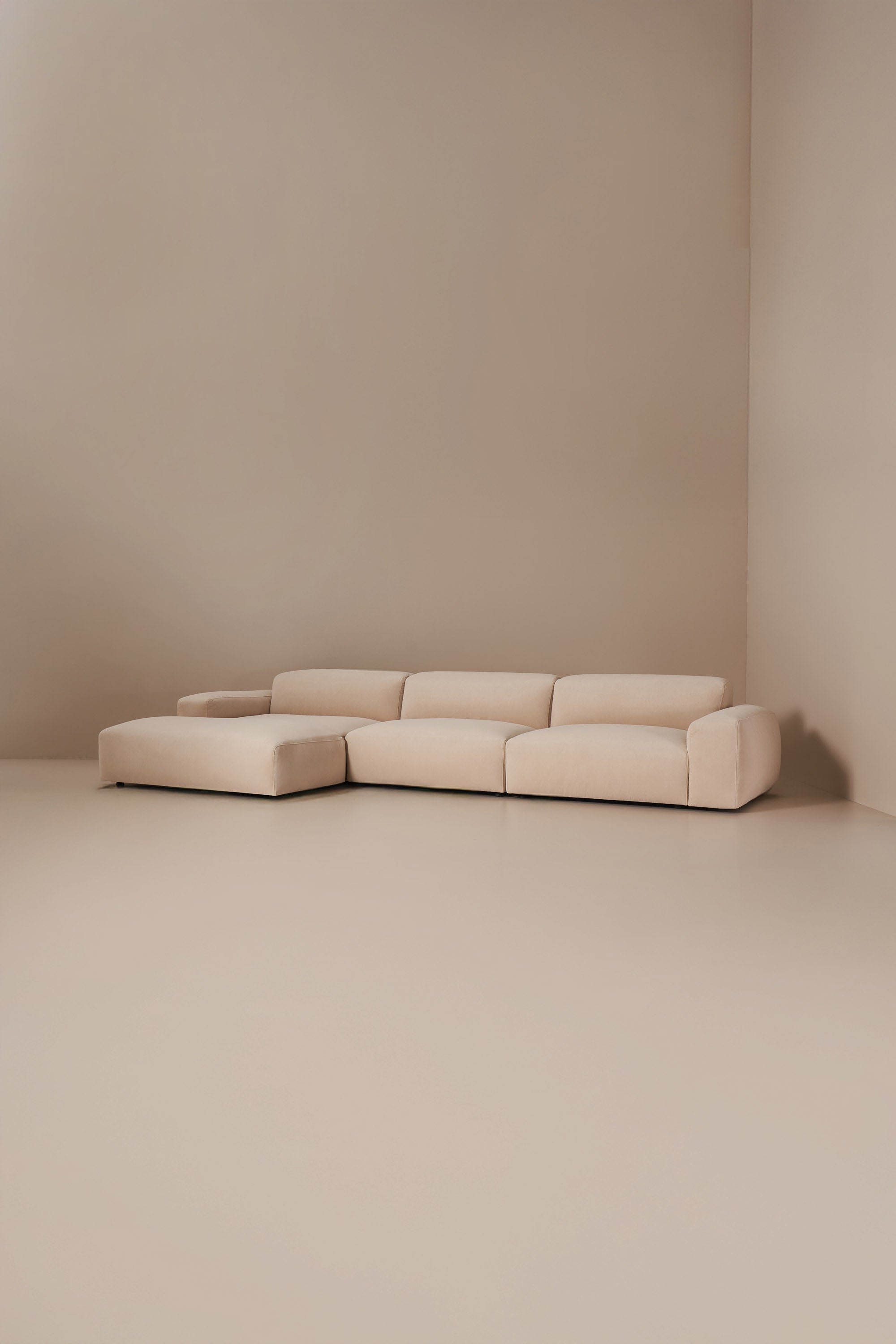
The Marlo carries that same philosophy into contemporary interiors. Its generous square proportions and grounded silhouette create an immediate sense of comfort, but there’s also architectural discipline beneath the softness. Each section feels intentionally balanced, allowing the sofa to remain visually calm regardless of configuration.
That flexibility is part of what makes modular seating feel increasingly relevant today. Homes are expected to do more than ever before. Spaces shift between working, hosting, resting and family life constantly.
Furniture that adapts naturally to those rhythms feels less like luxury and more like necessity. The Velvet Chestnut Brown upholstery adds warmth and richness without overpowering the form.
Earthier tones like this tend to age beautifully within interiors because they sit comfortably against natural materials — timber, plaster, stone, linen — rather than competing with them.